


What to Expect When You Need Restoration Service in Your North Texas Community
Restoration needs can look different depending on where you live in North Texas, from older Dallas-area neighborhoods to newer growth communities further out. Here's what property owners across the region should know.
Why does local knowledge matter for restoration work?
Older homes closer to central Dallas may have aging plumbing, older roofing materials or foundation conditions related to the region's clay soil.
Newer communities further from the city often have different construction styles and drainage systems, which can affect how water moves through a property during a storm or plumbing failure.
A restoration company that regularly works throughout the area is more likely to recognize these differences and respond appropriately.
How does North Texas weather affect different parts of the service area?
Severe thunderstorms, high winds and hail can affect the entire region, but low-lying areas near creeks, lakes or drainage channels may see more flooding risk during heavy rainfall.
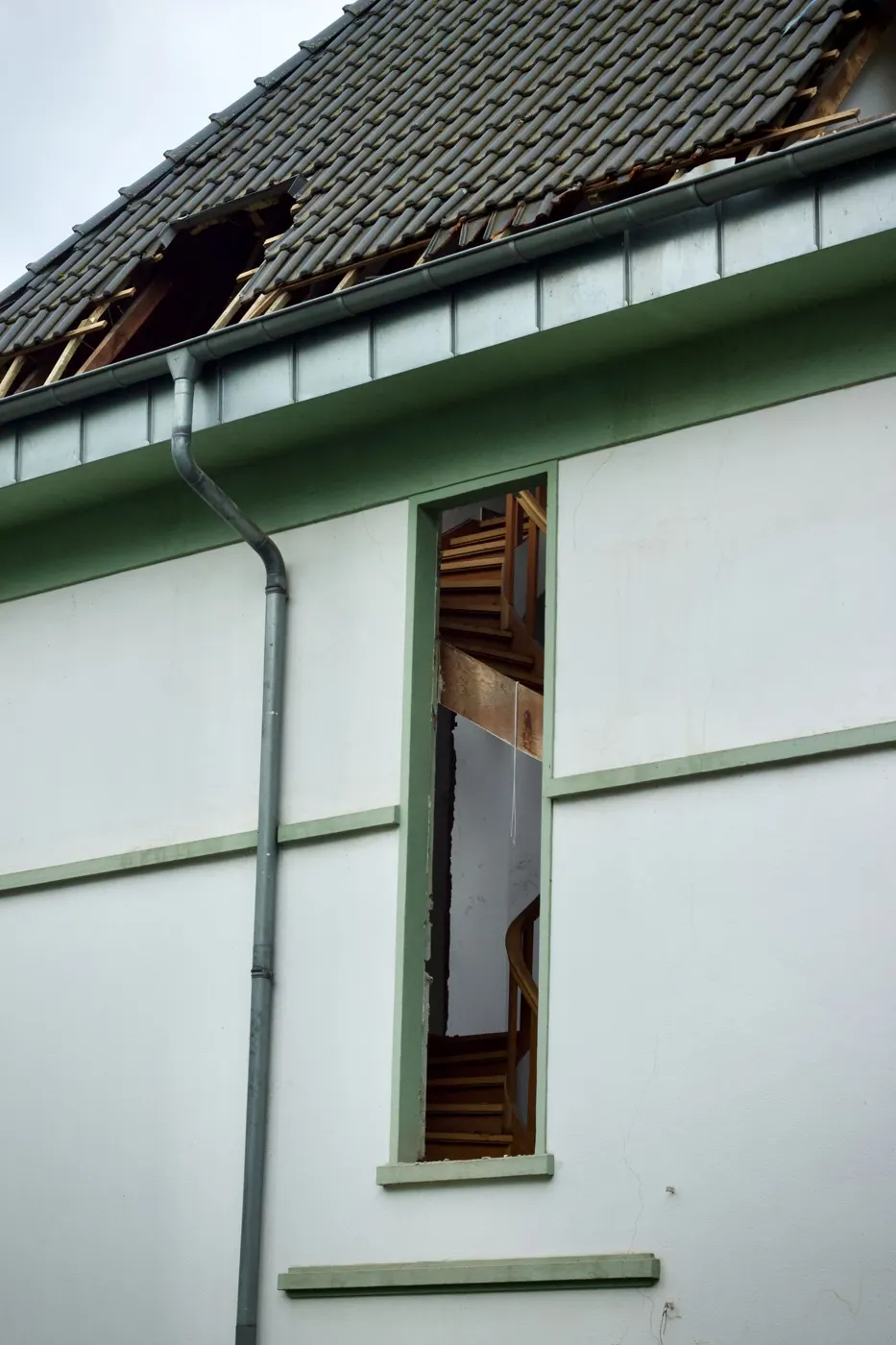
Areas with mature trees can face additional risk from fallen limbs during high winds, which can damage roofs and create openings for water intrusion.
Whatever your location, the fundamentals stay the same: get water out quickly, dry the structure thoroughly and address any resulting damage before it spreads.
What should I do if I'm not sure whether my property is in the service area?
Service areas can extend beyond the communities most commonly listed on a company's website.
The most reliable way to confirm coverage is to call and describe your location and the type of damage you're dealing with.
Don't assume you're outside the service area just because your city isn't specifically named. Many restoration companies serve a broader region than their most prominently listed cities.
Does response differ between residential and commercial properties?
Residential projects typically focus on living spaces, personal belongings and helping a family return to normal daily life.
Commercial projects often involve additional considerations, such as minimizing disruption to employees, tenants or customers and coordinating with property managers or facility staff.
Both types of properties benefit from the same core process: assessment, stabilization, drying or cleanup, and repair.
How can I prepare my property before damage happens?
Know the location of your main water shutoff valve so you can act quickly if a pipe bursts or an appliance leaks.
Keep an eye on your roof and gutters, especially after severe weather, since minor damage can worsen with the next storm if it isn't addressed.
Save the phone number of a restoration company you trust so you're not searching for help during an active emergency.
What questions should I ask before hiring a restoration company?
Ask whether the company serves your specific city or neighborhood and how quickly they can typically respond to your area.
Ask what the restoration process looks like from start to finish, including how drying progress is monitored.
Ask whether the company handles both the mitigation work, like water removal and drying, and the repairs needed afterward, or whether you'll need to hire a separate contractor for repairs.
Do smaller North Texas towns get the same level of service?
Smaller communities outside the Dallas core often have fewer local restoration options, which can mean longer waits if you rely on a company that doesn't regularly serve your area.
A company that already routes crews through a wider North Texas territory is generally better positioned to reach outlying towns without unnecessary delay.