
Preparing for and Recovering from North Texas Storm Season
North Texas experiences a mix of severe thunderstorms, high winds and occasional tornado activity, especially in spring. Here's how to prepare and what to do once a storm has passed.
How can I prepare my property before storm season?
Inspect your roof for loose or damaged shingles, and clear gutters and downspouts so rainwater can drain properly during heavy rainfall.
Trim tree limbs that hang close to your roof or windows, since falling branches are a common source of storm damage in wooded North Texas neighborhoods.
Keep an emergency kit with flashlights, a first aid kit and copies of important documents somewhere easy to access.
What should I check immediately after a storm?
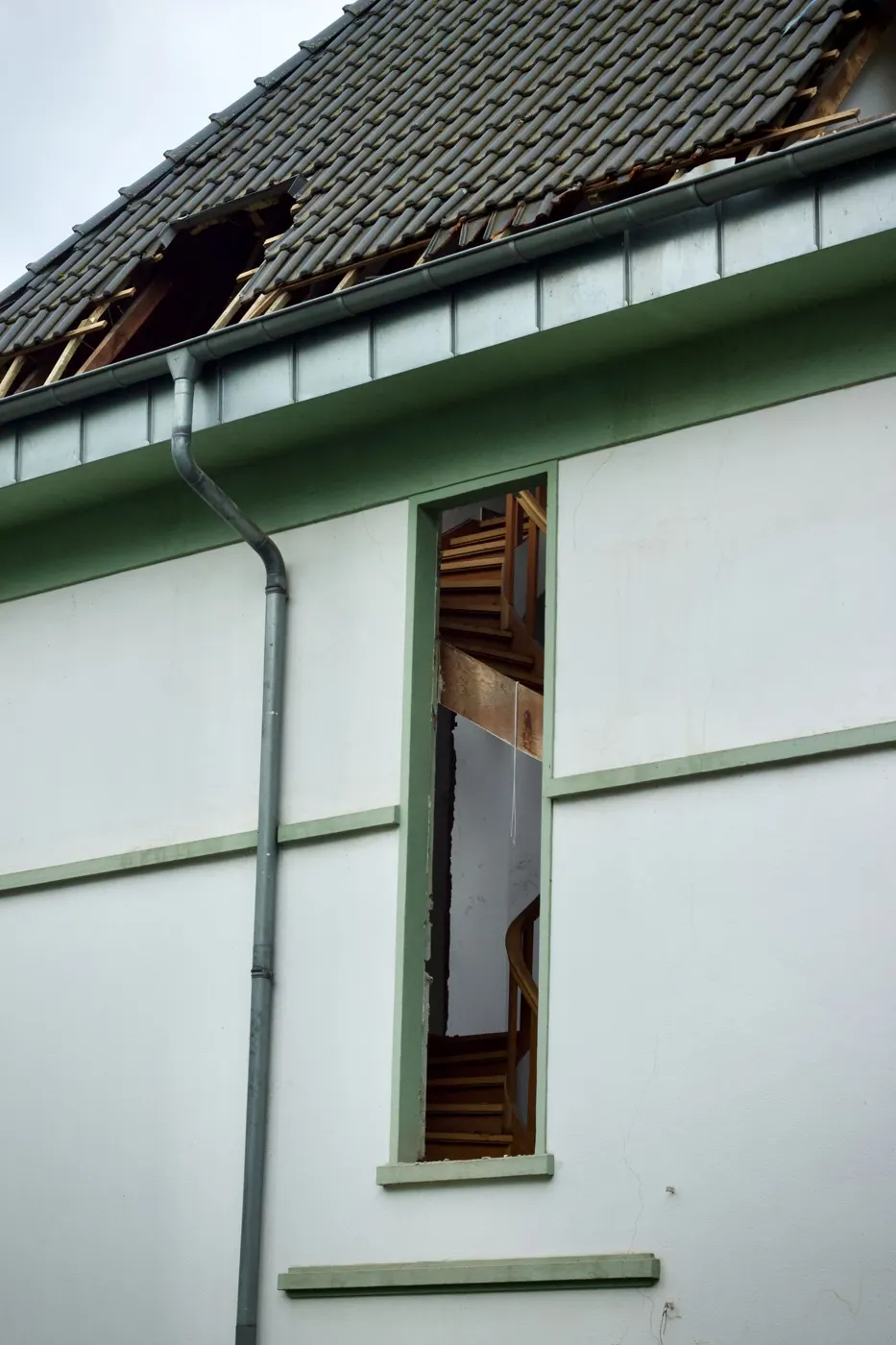
Look for visible damage from the ground, such as missing shingles, damaged siding, broken windows or debris on the roof, without climbing onto a wet or unstable roof yourself.
Check for water stains on ceilings or walls, which can indicate a roof leak that isn't otherwise visible from outside.
Stay away from downed power lines and any standing water that may be in contact with electrical systems.
How does hail damage typically show up?
Hail can dent or crack roofing materials, damage gutters and downspouts, and break or crack windows and skylights.
Damage isn't always obvious right away. Even minor hail impacts can compromise a roof's ability to keep water out during the next rainstorm.
What's the risk of waiting to address storm damage?
An opening in the roof or a damaged window can allow water to keep entering the property with every subsequent rain, even if the original storm has passed.
Water that enters through storm damage can spread into insulation, drywall and flooring, creating conditions for mold growth if it isn't addressed.
How can I document storm damage for insurance?
Take photographs of both the exterior and interior damage as soon as it's safe to do so.
Note the date of the storm and keep any local weather reports or news coverage that documents the event in your area.
Because coverage for wind, hail and flood damage varies significantly by policy, contact your insurance carrier to confirm what your specific policy covers before assuming a repair is included.