




Homeowner's Guide to Restoration Services in Balch Springs, TX
Knowing what steps to take after water, fire, or storm damage can help you protect your property and make the recovery process go more smoothly.
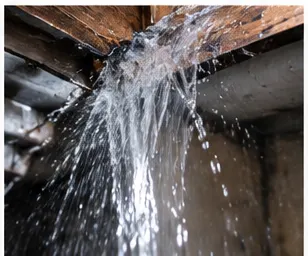
How Quickly Should Water Damage Be Addressed?
The sooner standing water is removed, the less chance it has to spread into flooring, drywall, and cabinetry. Even a few hours of delay can allow moisture to travel further than expected.
If you discover a leak, shut off the water source if it's safe to do so and avoid walking through affected areas near electrical outlets or panels until it's confirmed safe.
What Causes Most Water Damage in Balch Springs Homes?
Aging plumbing, water heater failures, and appliance supply-line leaks are common culprits in established Dallas County neighborhoods. Heavy North Texas storms can also overwhelm drainage and cause water to enter through roofs or foundations.
Because Balch Springs has a mix of older and newer housing stock, pipe age and condition can vary significantly from property to property, so periodic inspection is worthwhile.
What Does Structural Drying Actually Involve?
Removing visible water is only the first step. Materials like subflooring, drywall, and insulation can retain moisture even after surfaces appear dry.
Drying equipment such as air movers and dehumidifiers is used to pull moisture out of these materials over time, while moisture readings confirm when an area has reached an acceptable level.
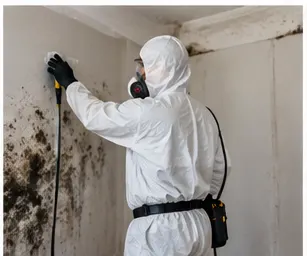
How Can I Tell if Mold Is Developing?
Watch for musty smells, visible spotting on walls or ceilings, or a persistent damp feeling in a room even after a leak seems resolved. These are signs that moisture may still be present somewhere in the structure.
Addressing the source of moisture quickly is the most effective way to reduce the chance of mold taking hold.
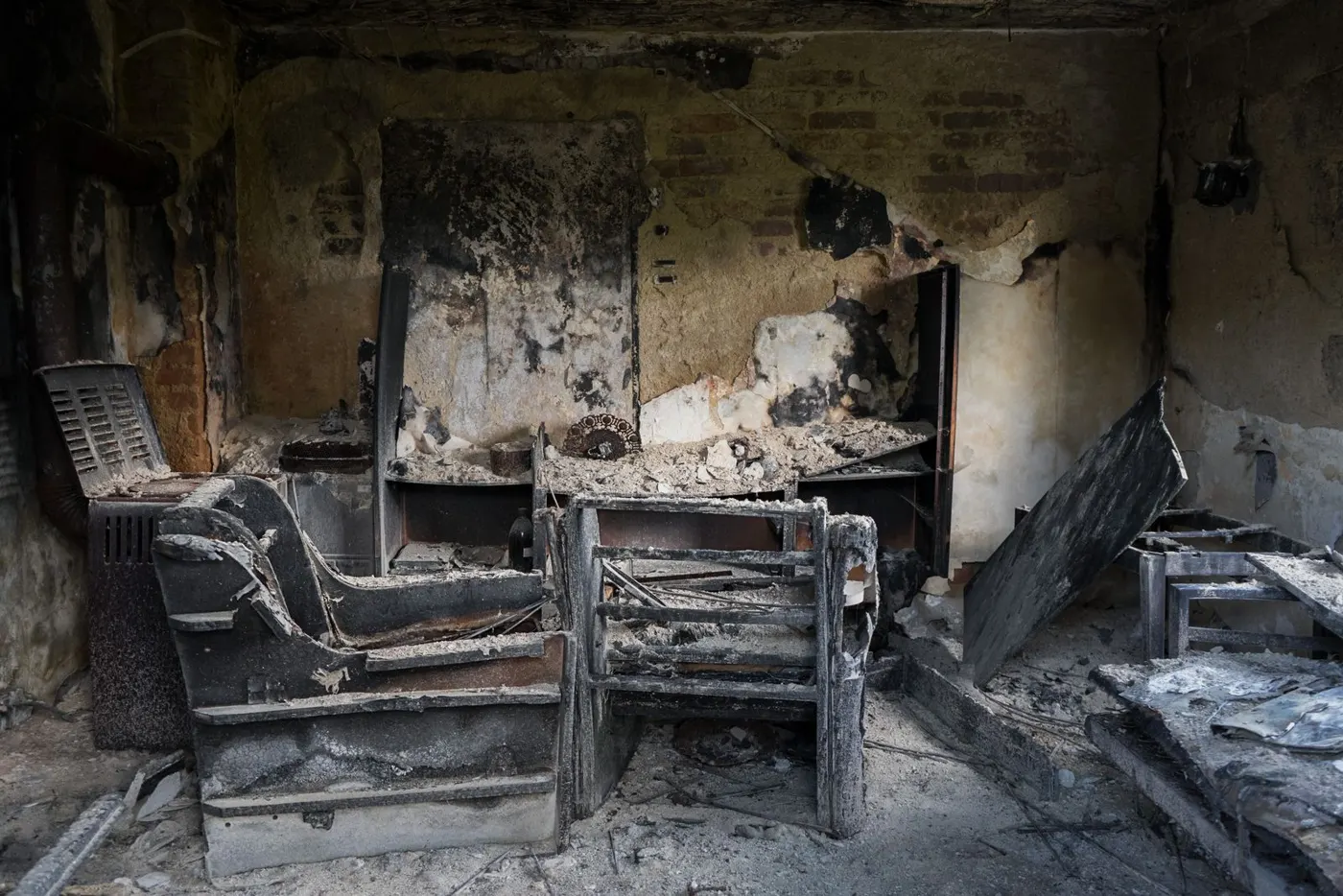
What Should I Know About Fire and Smoke Cleanup?
Smoke residue can spread through a home's ventilation system, affecting rooms that were never touched by flames. Odor can also linger in fabrics, carpets, and porous materials.
Cleanup usually involves removing soot from surfaces, treating lingering odors, and addressing any water damage left behind from firefighting efforts.
Tips for Documenting Damage Before Cleanup Starts
Photograph and video every affected room and item before moving or discarding anything. Keep a written log of when the damage was discovered and what actions you took.
This documentation supports your insurance claim and helps avoid confusion later about the extent of the original damage.
Simple Steps to Reduce Future Risk
Inspect appliance hoses, water heaters, and visible plumbing connections a few times a year for early signs of wear. Clean gutters regularly so storm runoff drains away from your foundation instead of pooling near it.
Understanding the Restoration Timeline
A typical project begins with inspection and water extraction, followed by structural drying, cleaning, and repairs where needed. Simple losses may resolve within a few days, while larger events take longer to fully dry and restore.
Ask your restoration provider what benchmarks they use to determine when a space is sufficiently dry, since this affects when repairs can safely begin.
Storm Damage Considerations for Balch Springs
Severe North Texas storms can bring high winds and heavy rain that stress roofing and drainage systems. After a storm, check attics and ceilings for new stains, which can indicate a developing roof leak.
Temporary measures like tarping a damaged roof section can help limit further water intrusion until permanent repairs are scheduled.
What Role Does Ventilation Play in Recovery?
Moving air efficiently through an affected space helps pull moisture out of materials faster and more evenly than leaving a room sealed shut.
Keeping unaffected areas separated from drying zones can also help focus equipment where it will do the most good, which may reduce the overall timeline before repairs begin.
What Should Renters in Balch Springs Know About Water Damage?
If you rent your home, report any leak or water intrusion to your landlord or property manager right away, even if it seems minor. Delays in reporting can make it harder to determine responsibility for repairs later.
Take your own photos of the damage and any affected belongings, since renters' insurance and landlord coverage typically handle different parts of a claim.
How Do Foundation Issues Contribute to Water Damage Locally?
Shifting clay soil common across North Texas can put stress on slab foundations and the plumbing that runs beneath them. Cracks in a foundation or interior walls are sometimes the first visible sign of an underlying plumbing issue.
If you notice new cracks, doors that stick, or uneven flooring alongside a musty smell or damp spot, it's worth having both the foundation and plumbing checked together rather than treating them as separate problems.
What Should I Ask a Restoration Company Before Hiring Them?
Ask how they determine the scope of damage, what equipment they use for drying, and how they'll confirm the job is finished rather than just visually dry.
It's also reasonable to ask whether they'll work directly with your insurance company and provide documentation you can use to support your claim.
Why Local Response Time Matters
Balch Springs sits close to major Dallas County corridors, which can make it easier for restoration crews to reach a property quickly compared to more remote areas.
Faster response generally means less time for water to spread into additional materials, which can reduce both the scope of repairs and the overall disruption to your household.