


A Dallas Homeowner's Guide to Water, Fire & Mold Restoration
Dallas properties range from historic homes to new high-rises, and understanding the restoration basics helps you respond quickly no matter what type of building you own.
Why Do Older Dallas Homes Face Unique Water Damage Risks?
Neighborhoods like Oak Cliff and East Dallas have many homes built decades ago, often with original plumbing that has aged past its expected lifespan. Older cast iron and galvanized pipes are more prone to corrosion and leaks.
If your home is older, periodic plumbing inspections can catch small leaks before they become major water damage events.
How Does High-Density Housing Complicate Water Damage?
In condos and apartment buildings, a leak in one unit can quickly affect neighboring units, hallways, and shared walls. This makes fast response even more important to limit how far water spreads.
If you live in a multifamily building, report leaks to building management immediately, even if the visible damage seems minor.
What's the First Step After Discovering Water Damage?
Shut off the water source if possible, and avoid areas where standing water is near electrical outlets or panels. Photograph the damage before you begin moving belongings or attempting cleanup.
Contact a restoration company as soon as possible—delays often allow moisture to spread into areas that were not initially affected.
How Does Dallas's Climate Affect Mold Risk?
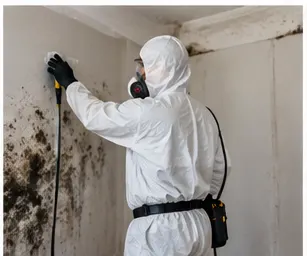
Hot, humid Texas summers create favorable conditions for mold growth once moisture is present. Poor ventilation in bathrooms, attics, or closets on exterior walls can make the problem worse.
Watch for musty odors or visible discoloration, especially in areas that have had prior water damage or persistent condensation issues.
What Does the Fire Restoration Process Typically Involve?
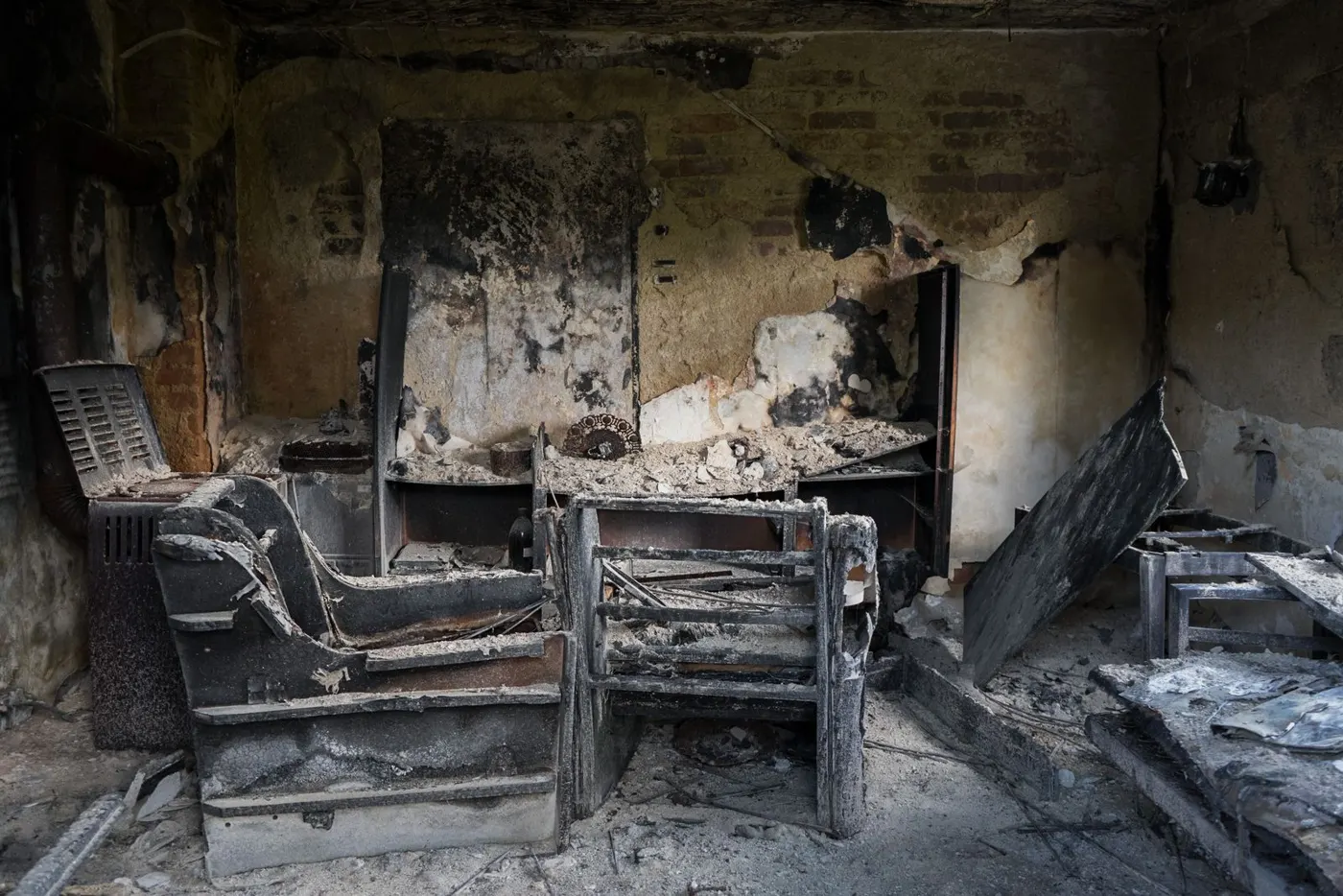
After a fire is extinguished, smoke and soot residue often need to be cleaned from surfaces well beyond the room where the fire started. Odor treatment is frequently a separate step from surface cleaning.
Water used during firefighting can also soak into flooring and walls, meaning fire restoration often includes drying and moisture evaluation similar to a standard water damage response.
Tips for Insurance Documentation
Take clear photos and video of every affected area and item before cleanup starts. Keep a written record of the timeline, including when the damage was discovered and any temporary repairs made.
Save receipts for anything purchased as a direct result of the damage, such as temporary housing or emergency supplies, since these are often reimbursable.
Preventing Water Damage in Dallas Properties
Inspect appliance supply lines, water heaters, and visible plumbing connections regularly. Clean gutters and check for foundation drainage issues, since Dallas's clay soil can shift and stress plumbing over time.
For older homes, consider having a plumber assess original pipe material and condition if it hasn't been inspected recently.
What to Expect During the Restoration Timeline
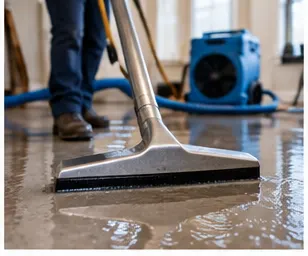
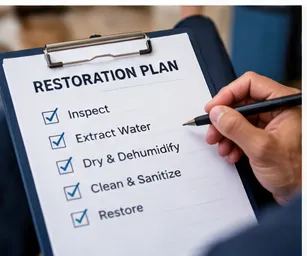
Most restoration projects follow a similar arc: inspection, extraction, drying, cleaning, and repairs. Smaller residential losses may resolve in a matter of days, while larger commercial or multifamily losses can take longer.
Because Dallas includes such a wide range of property types, from historic homes to modern high-rises, the specific approach and equipment used can vary significantly by project.
Coordinating Restoration Work Around Daily Life
For occupied homes and active businesses, restoration work often needs to be scheduled around daily routines, deliveries, or operating hours whenever possible.
Discussing your schedule and any constraints upfront with your restoration provider can help set realistic expectations for when equipment will be running and when access to certain rooms may be limited.
What Should Property Managers in Dallas High-Rises Know?
High-rise and mid-rise buildings present unique challenges, including shared plumbing risers, limited elevator access for equipment, and the need to notify multiple tenants when a leak affects common areas or adjacent units.
A clear communication plan with residents or tenants, along with quick access for restoration crews, can significantly limit how far water spreads within a building's structure.
How Do Historic Dallas Homes Require Different Care?
Neighborhoods with older, sometimes historic homes may have original woodwork, plaster walls, or other materials that respond differently to water and drying equipment than modern drywall and standard flooring.
Restoration in these homes often calls for extra care to avoid unnecessary removal of original materials that could otherwise be dried and preserved.