

Water, Fire & Mold Restoration Guide for Seagoville, TX
From summer storms to plumbing failures, Seagoville homeowners face many of the same restoration challenges as the rest of Dallas County. Here's what to expect and how to protect your property.
Common Sources of Water Damage in Seagoville
Burst pipes, water heater failures, washing machine leaks, and storm-driven roof leaks are among the most common causes of water damage in Seagoville homes.
Older plumbing in established neighborhoods can be more prone to slow leaks, which often go unnoticed until flooring or drywall shows visible signs of damage.
Spotting Damage Before It Gets Worse
Look for discoloration on ceilings or walls, a musty smell in a specific room, or flooring that feels soft or spongy underfoot.
A sudden jump in your water bill without an obvious explanation is often a sign of a hidden leak somewhere in the plumbing system.
What to Do Right After Water Damage Occurs
Shut off the water supply and, if it's safe, the electricity to the affected area. Move furniture and belongings away from the water.
Photograph the damage before cleanup starts so you have a record for both the restoration company and your insurance provider.
How Professional Drying Works
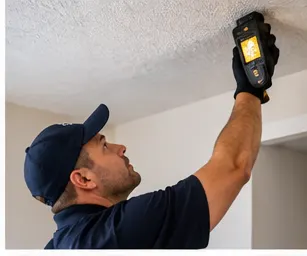
Standing water removal is just the beginning. Moisture meters help technicians find dampness that has soaked into drywall, subfloor, or insulation, even when the surface looks dry.
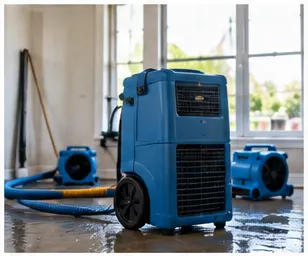
Air movers and dehumidifiers are then used to bring humidity down and dry the structure fully, which helps prevent mold from developing later.
Storm Damage Considerations for Southeast Dallas County
Seagoville sees the same severe spring and summer storm patterns as the rest of North Texas, including thunderstorms, hail, and high winds that can damage roofing.
After a major storm, check your attic for damp insulation or ceiling stains, and look at your gutters for shingle granules that may indicate roof wear.
When Mold Becomes a Risk
Mold can begin to develop within one to two days after materials stay wet, especially during the humid summer months common in this part of Texas.
A musty odor or visible spotting on walls or baseboards after a leak should be checked promptly, since mold can spread inside wall cavities out of sight.
Understanding Your Insurance Coverage
Sudden events like a burst pipe are typically covered by standard homeowner policies, while gradual leaks from neglected maintenance are often excluded, so it's worth reviewing your policy in advance.
Keep receipts for temporary repairs and ask your restoration company for documentation of moisture readings and completed work to support your claim.
Choosing the Right Restoration Company
Look for a provider with 24/7 emergency availability that services both residential and commercial properties, and can manage the full process from extraction to repairs.
Ask how they document their work and whether they can coordinate directly with your insurance adjuster, which can make the claims process much smoother.
Simple Steps to Prevent Future Damage
Regularly check appliance hoses, water heater connections, and under-sink plumbing for early signs of wear or corrosion.
Keep gutters clean and ensure downspouts carry water away from your foundation, which is especially important given the region's clay soil that expands and contracts with moisture.
Sewage Backup Cleanup in Seagoville
A sewage backup is more serious than an ordinary water leak because it introduces contaminants that require specialized cleaning, protective equipment, and material removal.
If you experience a backup, keep children and pets away from the area and avoid using household fans, which can spread contaminated air into unaffected rooms.
Commercial Restoration for Seagoville Businesses
Small businesses and commercial buildings in and around Seagoville face the same water, fire, and storm risks as homes, often with added pressure to limit downtime.
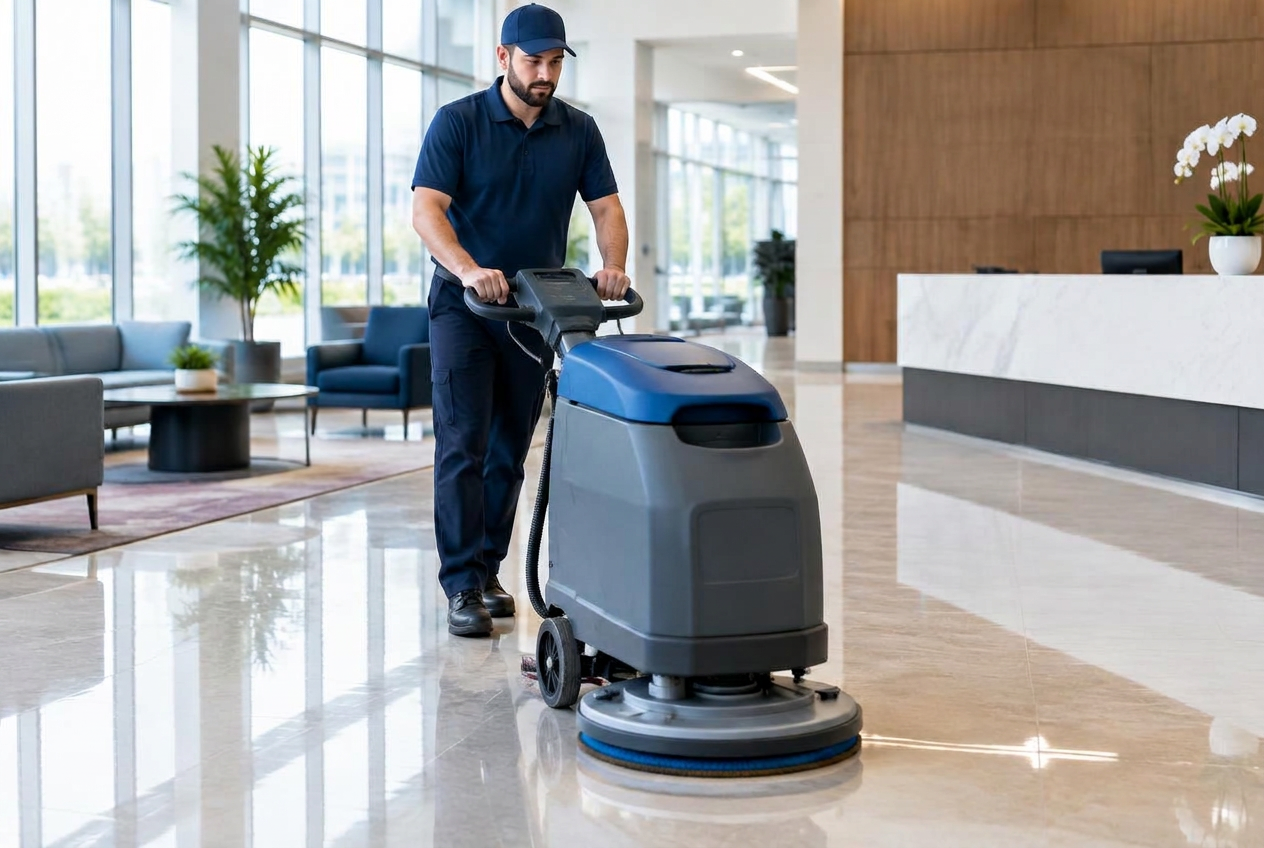
Restoration for commercial spaces typically involves larger equipment, careful handling of inventory or equipment, and coordination with property managers or multiple tenants.
Pet Stain and Odor Considerations
Pet-related stains and odors can penetrate carpet padding and subflooring over time, requiring more than surface cleaning to fully resolve.
Treating the affected material directly, rather than masking the smell, is generally the only way to prevent the odor from returning.
Why Fast Response Matters
The first 24 to 48 hours after a water event have the greatest impact on how much of a structure and its contents can be saved.
Delaying cleanup increases the risk of mold growth, warped flooring, and damage that spreads into areas that weren't initially affected.
Why Emergency Availability Matters
Water and fire damage don't wait for business hours, so having access to emergency restoration support at any time can make a real difference in how much of a property is saved.
Early stabilization steps, such as extracting standing water or covering a damaged roof, help limit further damage while a complete restoration plan is developed.
The longer a property sits without attention after an emergency, the more likely secondary issues like mold or structural warping become.
Documenting Damage for Records and Claims
Keeping a simple folder of photos, receipts, and notes about any restoration work makes future insurance claims or home sales much easier to navigate.
Ask your restoration provider for a written summary of the work performed, including moisture readings, so you have a complete record on file.