
Garland, TX Property Owners: What to Do Before Help Arrives
A few smart steps in the first minutes after damage occurs can help protect your property and support a smoother restoration process.
Immediate Steps After a Water Emergency
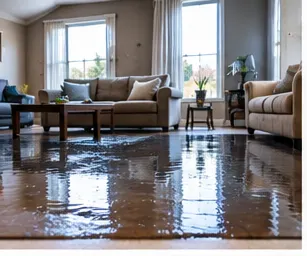
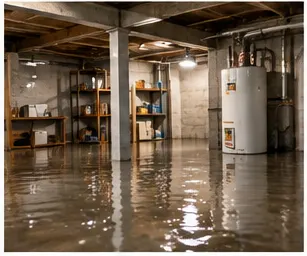
Shut off the water source if it's safe, and move any valuables away from the affected area. Avoid contact with standing water near electrical outlets or panels.
Photograph the damage before cleanup begins, since this documentation is helpful for insurance purposes and for tracking the restoration process.
Why Older Garland Neighborhoods Face Specific Plumbing Risks
Many Garland homes were built decades ago, and original plumbing materials can corrode or fail over time. Periodic inspection of pipes, especially in older homes, can help catch problems early.
Water heaters also have a limited lifespan, so checking for rust or slow leaks around the base is a simple way to catch a developing issue.
Recognizing the Signs of Hidden Moisture
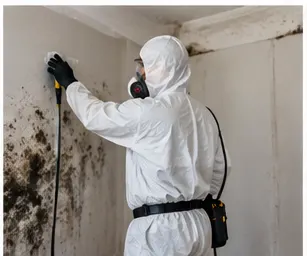
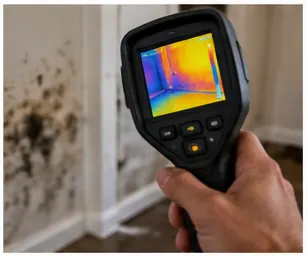
A musty smell, soft or discolored drywall, or a room that feels persistently damp can all indicate moisture trapped somewhere out of sight.
These signs are worth investigating promptly, since hidden moisture is a common condition that allows mold to develop.
What to Expect After a Fire
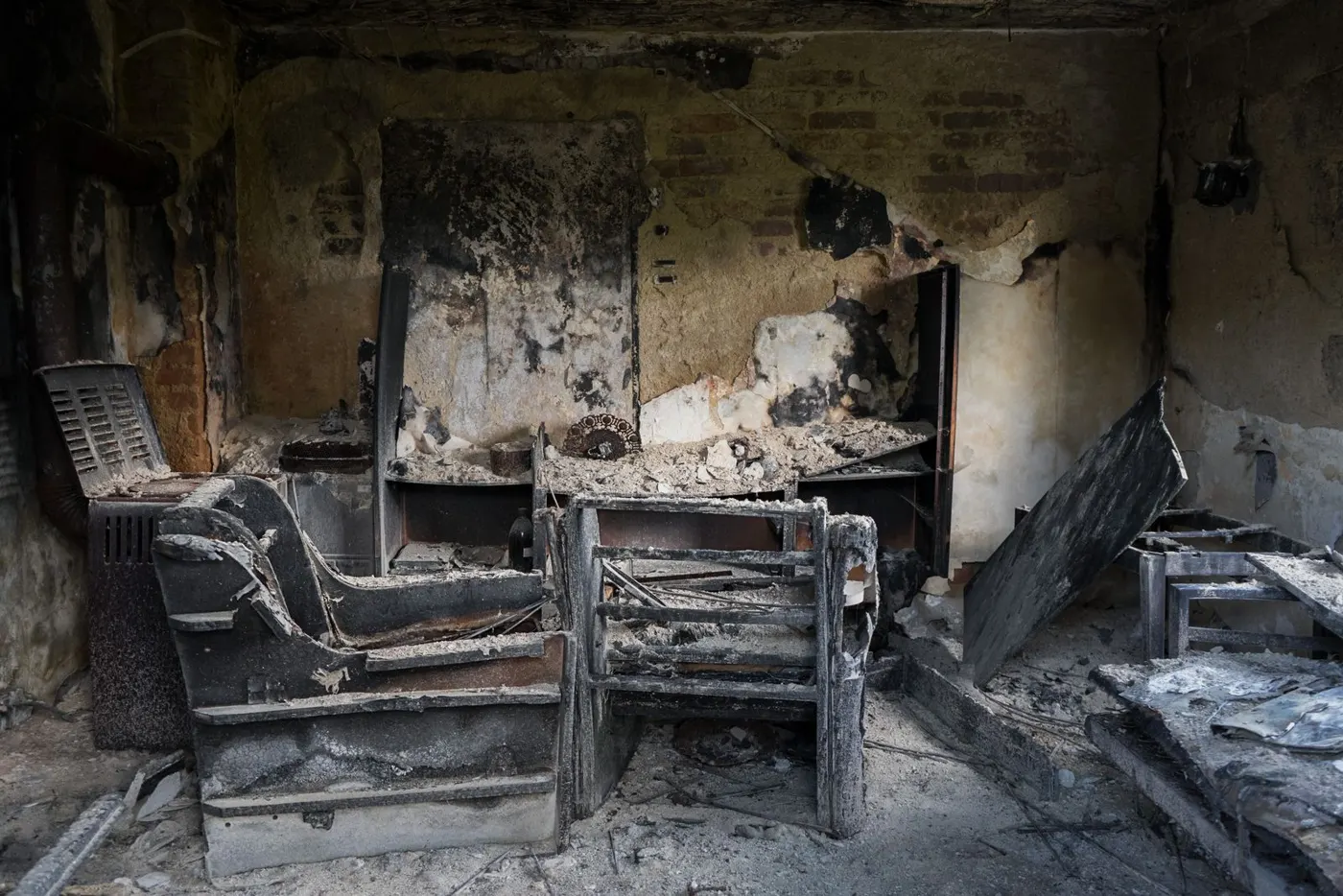
Smoke residue can spread through a home's ventilation system, affecting areas beyond where the fire actually occurred. Water used to fight the fire can also leave behind a secondary water damage problem.
Avoid touching soot-covered surfaces before professional cleanup, since this can push residue deeper into fabrics and materials.
Insurance Documentation Tips
Take photos and video of all damaged areas and belongings before moving or discarding anything. Keep a written record of the timeline and any related expenses.
Good documentation reduces the chance of disputes and helps your claim move more efficiently.