

Getting the Most from Professional Carpet Cleaning
Carpet cleaning does more than freshen a room's appearance. Here's how to prepare for a cleaning appointment, protect your investment afterward, and know when deeper issues need attention.
How should I prepare my home before a carpet cleaning appointment?
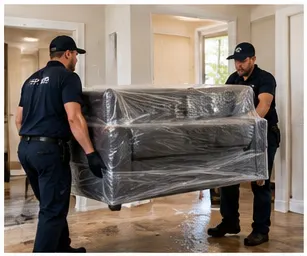
Pick up small items, toys, and breakables from the floor, and move light furniture out of the room if possible. Heavier furniture is usually handled by the cleaning crew or worked around.
Vacuum high-traffic areas beforehand if you can, since this removes loose debris and lets the deep-cleaning process focus on embedded dirt.
How long does carpet need to dry, and what should I avoid?
Drying time varies by cleaning method, humidity, and airflow, but most carpets are dry within several hours to a day. Running fans or your HVAC system can help speed things along.
Avoid walking on damp carpet with shoes and hold off on placing furniture back until the carpet is fully dry, since moisture trapped under furniture legs can cause staining or mildew.
Why does carpet sometimes look dirtier right after cleaning?
This is often called "wicking," where residual soil deep in the carpet backing rises to the surface as the carpet dries. It's a normal occurrence, especially with older stains, and light vacuuming once dry usually resolves it.
If wicking recurs repeatedly in the same spot, the padding underneath may be contaminated and could need separate attention.
How can homeowners extend time between professional cleanings?
Vacuum high-traffic areas at least twice a week and address spills immediately by blotting rather than rubbing, which pushes stains deeper into the fibers.
Placing walk-off mats at entry points reduces the amount of dirt and grit tracked onto carpet, which is one of the biggest contributors to premature wear.
When does a stain need professional treatment instead of a DIY approach?
Older stains, pet urine, or spills involving dyes like wine or coffee often respond better to professional-grade treatment than store-bought spot cleaners, which can sometimes set a stain further.
If a spot keeps reappearing after home cleaning attempts, it likely means the contamination has reached the carpet backing or padding and needs deeper extraction.
How does North Texas weather affect carpet between cleanings?
Dry, dusty conditions in the summer can leave fine grit tracked indoors, while spring storms bring mud and moisture that can settle deep into fibers if not vacuumed promptly.
Rotating area rugs and runners in high-traffic zones can help even out wear caused by these seasonal shifts.
Does carpet cleaning help with allergies?
Carpet fibers can trap dust, pollen, and pet dander that ordinary vacuuming doesn't fully remove. Deep extraction cleaning helps pull embedded allergens out of the carpet rather than just the surface.
Households with allergy-sensitive members often benefit from more frequent professional cleaning combined with a vacuum that uses a sealed HEPA filter.
Is carpet stretching the same as cleaning?
No. Carpet stretching addresses wrinkles or loose spots that develop over time, often from heavy furniture, humidity changes, or improper installation, while cleaning addresses dirt and stains.
A loose or rippled carpet can wear unevenly and create a trip hazard, so it is worth addressing separately from routine cleaning if you notice buckling.
If you notice ripples appearing again shortly after stretching, it may point to a padding or subfloor issue that needs separate evaluation.
Do all carpet fibers respond to cleaning the same way?
Natural fibers like wool often require gentler methods and lower moisture than synthetic carpets, which tend to be more resilient during deep cleaning.
Knowing your carpet's fiber type helps a cleaning technician choose a process that removes soil effectively without risking shrinkage or fiber damage.
Should furniture be moved before or after cleaning?
Light furniture is often moved by the cleaning crew, but heavier pieces like bookcases or beds are usually left in place unless arranged in advance.
Using small protective pads or foil squares under furniture legs after cleaning helps prevent color transfer or rust marks while the carpet finishes drying.
Do carpet protectors make a difference?
A protective treatment applied after cleaning can help fibers resist future spills and stains, making cleanup easier before a spill has time to soak in.
It is not a permanent barrier, so reapplying protector periodically, especially in high-traffic rooms, helps maintain its effectiveness.