Understanding Water Damage: Warning Signs, Drying and What to Expect
Water damage can be obvious, like a flooded basement, or subtle, like a slow leak behind a wall. Knowing the warning signs and basic response steps can help limit how far the damage spreads.
What are common early warning signs of water damage?
Look for discoloration or staining on ceilings and walls, a musty smell, peeling paint or wallpaper, warped or buckling flooring, and unusually high water bills that might indicate a hidden leak.
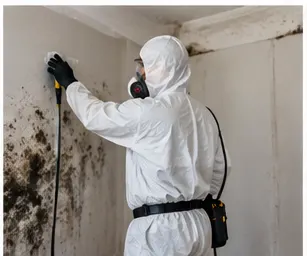
Soft spots in flooring or drywall, condensation around windows and visible mold spots are also signs that moisture has been present for a while.
Catching these signs early can mean the difference between a minor repair and an extensive restoration project.
What are the most common causes of water damage in North Texas homes?
Burst or leaking pipes, failing water heaters, worn appliance hoses and overflowing fixtures cause a large share of residential water losses.
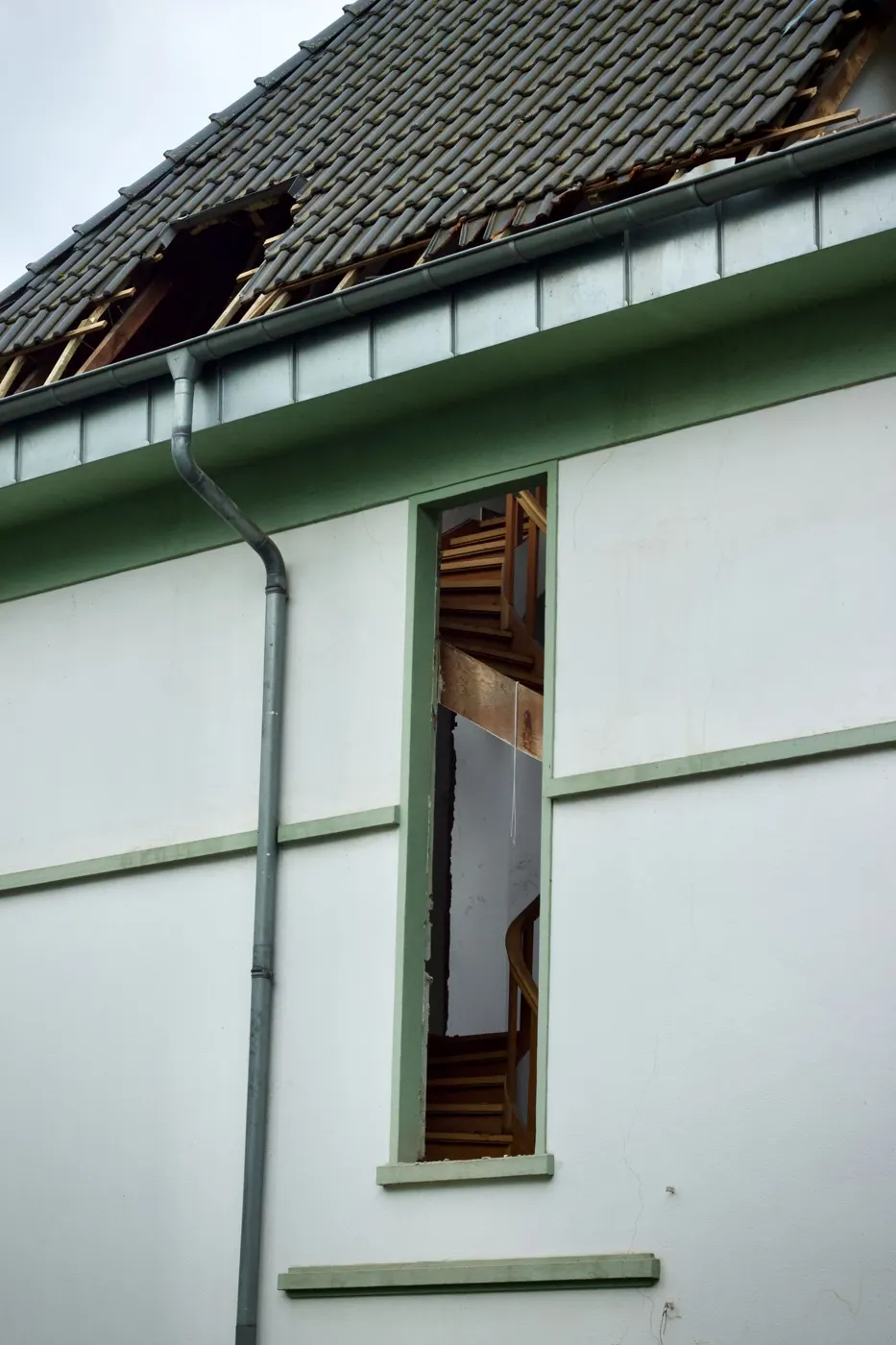
Roof leaks, wind-driven rain and flash flooding from severe thunderstorms are also common, particularly during spring storm season.
The area's shifting clay soil can put stress on foundations and underground plumbing lines over time, which sometimes leads to slow leaks that go unnoticed until damage appears.
What should I do right after discovering water damage?
If it's safe, shut off the water source, whether that's a supply valve, the main water line or a specific appliance connection.
Avoid walking through standing water if there's any chance electrical outlets, cords or wiring are affected.
Move furniture, electronics and other belongings out of the affected area if you can do so safely, and photograph the damage before cleanup begins.
Why is fast water removal important?
The longer water sits, the further it can spread into flooring, drywall, insulation and other porous materials.
Standing water can also start to break down materials like particleboard, drywall and some types of flooring, making them harder to save.
Moisture that isn't removed quickly creates conditions that can support mold growth within a short period, especially in North Texas's warm, humid summers.
What does the drying process actually involve?
After standing water is extracted, professional drying uses air movers and dehumidifiers to pull moisture out of the air and remaining wet materials.
Moisture meters help track how much water remains in walls, flooring and other materials so the drying equipment can stay in place until levels return to a normal range.
Some materials that absorb water quickly, like insulation, carpet padding or certain types of drywall, may need to be removed rather than dried, especially if they've been wet for an extended time.
How can I document water damage for an insurance claim?
Take photos and video of the damage as soon as it's safe to do so, before any cleanup or repairs begin.
Keep a written timeline of when you noticed the damage and what caused it, along with any communication with your insurance company.
Save receipts related to emergency mitigation, such as temporary repairs, since these costs are sometimes reimbursable depending on your policy.
How can I reduce the risk of future water damage?
Inspect washing machine hoses, water heater connections and under-sink plumbing periodically for signs of wear or slow leaks.
Clean gutters and downspouts regularly so rainwater drains away from your foundation instead of pooling nearby.
Know where your main water shutoff valve is located so you can act quickly if a pipe bursts or a connection fails.
How does the type of water affect the cleanup process?
Clean water from a supply line is generally easier to manage than water from a sewage backup or floodwater that may carry contaminants.
Contaminated water often requires additional precautions, including removal of porous materials that can't be safely cleaned, along with more thorough sanitizing of the affected area.
Identifying the water source early helps determine the right approach to drying, cleaning and material removal.
What role does humidity play in North Texas water damage?
North Texas summers bring high heat and humidity, which can slow natural evaporation and make it harder for damp materials to dry on their own.
Running fans or opening windows may not be enough in humid conditions, since the surrounding air is already holding a lot of moisture.
This is part of why mechanical dehumidification is often necessary rather than relying on ventilation alone.