


Water, Fire & Mold Restoration Guide for Rockwall, TX Homeowners
Rockwall's lakeside setting brings its own mix of humidity, storms, and older plumbing that can lead to unexpected property damage. Here's what to know about handling an emergency and choosing the right help.
Why Rockwall Properties Face Unique Moisture Challenges
Rockwall sits along Lake Ray Hubbard, and the humidity that comes with a lakeside location can make it easier for moisture to linger indoors after a leak or flood, increasing the risk of mold if drying isn't thorough.
Homes near the shoreline may also see higher ambient humidity year-round, which is worth factoring into how quickly you address any water intrusion.
Recognizing the Early Signs of Water Damage
Discolored drywall, a musty smell, or flooring that feels soft or springs back slowly when you walk on it can all indicate hidden moisture.
Condensation around windows or on interior walls, especially if it's persistent, can also point to a broader humidity or ventilation problem worth investigating.
What to Do Immediately After a Leak or Flood
If it's safe, shut off the water source and any electrical circuits in the affected area. Move furniture and belongings away from standing water.
Photograph the damage before starting any cleanup. This documentation is valuable for both your restoration provider and your insurance company.
How Professional Drying Differs From DIY Cleanup
A wet-dry vacuum and some fans can remove surface water, but they don't address moisture that has soaked into drywall, subfloor, or insulation.
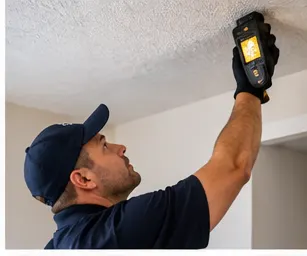
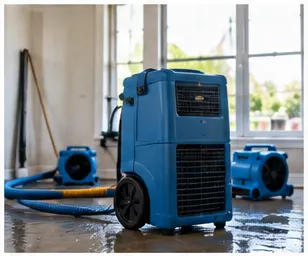
Professional restoration uses moisture meters to find hidden dampness and industrial dehumidifiers to bring humidity levels down throughout the structure, not just in the visibly wet area.
Storm and Hail Damage in Rockwall County
Rockwall County experiences seasonal severe weather, including thunderstorms and hail, that can damage roofing and allow water to enter attics and upper floors.
After a major storm, check for ceiling stains, damp attic insulation, or granules from shingles in your gutters, which can all indicate roof damage that needs attention before the next rain.
Mold Risks After a Water Event
Mold can begin developing within one to two days if materials stay damp, and Rockwall's humidity can make this timeline even tighter during warmer months.
If you notice a persistent musty odor or visible spotting after a leak, don't wait to have the area evaluated, since mold can spread into wall cavities where it isn't visible.
Working With Your Insurance Provider
Review your policy so you understand what's covered before an emergency happens; sudden events like burst pipes are typically covered, while gradual leaks sometimes are not.
Keep all receipts related to emergency repairs, and ask your restoration company to document moisture readings and the scope of completed work for your claim file.
What to Look for in a Restoration Company
Choose a company that offers 24/7 response, works on both residential and commercial properties, and can handle the entire process from extraction through repairs.
Ask about their approach to documentation and insurance coordination, since clear paperwork can make the claims process considerably smoother.
Simple Ways to Reduce Future Risk
Inspect appliance hoses, water heater fittings, and under-sink plumbing periodically, since these are common sources of slow leaks that go unnoticed for a while.
Keep gutters clear and make sure downspouts direct water well away from your foundation, especially given the clay soil common throughout North Texas that shifts as moisture levels change.
Fire Damage: More Than Just the Burned Area
A fire's visible damage is often limited to one room, but smoke and soot can travel through hallways, ductwork, and gaps around doors, leaving residue and odor throughout the rest of the home.
Water used to extinguish the fire adds its own restoration challenge, meaning most fire damage projects involve structural drying in addition to soot removal and odor treatment.
Because soot is acidic, it can continue damaging surfaces the longer it's left untreated, which is one reason fire restoration should start as soon as it's safe to re-enter the property.
What a Restoration Estimate Typically Covers
During an initial visit, a technician assesses the extent of damage, checks moisture levels in nearby materials, and identifies whether contamination or structural concerns are present.
You should receive a written scope of work outlining what needs to be extracted, dried, cleaned, repaired, or replaced, which also gives your insurance adjuster a clear reference for the claim.
Ask questions about the expected timeline and what equipment, like air movers or dehumidifiers, will remain in your home during the drying phase.
Caring for Carpet and Flooring After Water Exposure
Carpet, padding, and some hard flooring can often be salvaged if cleaning and drying happen quickly, but the chances of a full recovery decrease the longer materials stay wet.
Professional cleaning can also address lingering odors that a simple rinse or store-bought cleaner won't fully remove, especially after standing water has been present for more than a day.
Commercial Properties Near the Lake
Businesses along Rockwall's lakefront and retail corridors face the same storm and moisture risks as homes, often with added pressure to reopen quickly to avoid lost revenue.
A restoration company experienced with commercial spaces can help prioritize the areas needed to resume operations while continuing repairs in less critical parts of the building.
Documentation is especially important for commercial claims, since business interruption coverage often requires detailed records of the damage timeline and repair costs.
Preventing Repeat Damage After Restoration
Once a property is dry and repairs are complete, ask your restoration provider what caused the damage in the first place, so you can address the root issue and not just the visible symptoms.
Scheduling periodic checks of plumbing connections, roofing, and gutters can catch small problems before they turn into another emergency call.
Keeping a simple maintenance log for your home can also make future insurance claims easier to support.