
Water & Flood Damage: A Practical Guide for Forney, TX Homeowners
Knowing how water damage progresses and what the restoration process involves can help you act quickly when a leak or flood happens at your property.
How Fast Does Water Damage Actually Spread?
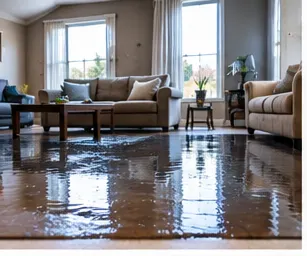
Water can move through carpet, subflooring, and drywall within hours of a leak starting. What looks like a small puddle on the surface can represent a much larger affected area underneath.
This is why quick action matters—the longer water sits, the more materials it reaches and the more extensive the drying process becomes.
What Should I Do in the First 30 Minutes?
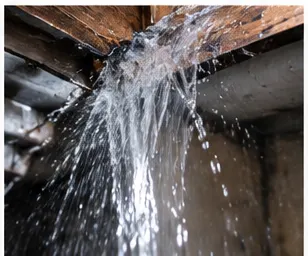
Shut off the water source if you can do so safely, whether that's a supply valve, the main shutoff, or an appliance connection. Avoid contact with water near electrical outlets, panels, or plugged-in appliances.
Move furniture, rugs, and electronics away from the wet area, and take photos of the damage before you begin any cleanup.
Why Does Flooding Require a Different Response Than a Simple Leak?
Floodwater from storms or drainage backups may carry contaminants that a broken supply line wouldn't, which changes how the affected materials should be handled.
Contaminated water often requires removal of certain materials rather than attempted drying, since some porous items cannot be safely restored after exposure.
What Does Professional Water Extraction Involve?
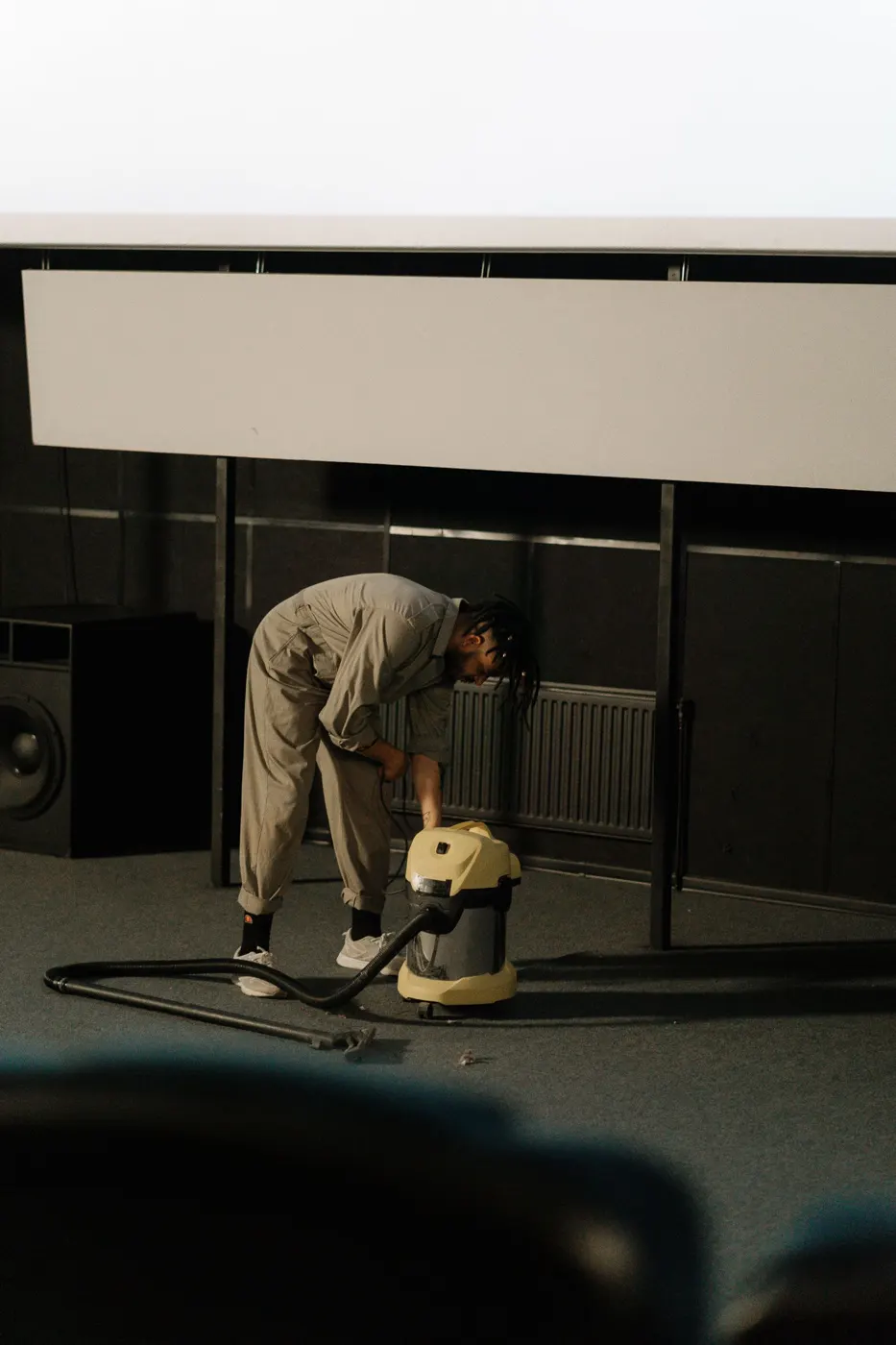
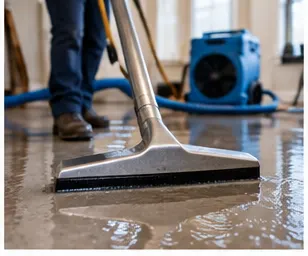
Standing water is removed using pumps or extraction equipment designed to pull water out of carpet, padding, and hard flooring more thoroughly than a wet/dry vacuum.
Once visible water is gone, the focus shifts to identifying moisture that has traveled beneath flooring or behind walls, since this hidden moisture is often the larger part of the problem.
How Long Does Structural Drying Take?
Drying time depends on how much water was involved, what materials absorbed it, and environmental conditions like humidity and temperature. It's rarely a same-day process for anything beyond a very minor leak.
Air movers and dehumidifiers work together to pull moisture out of the air and out of building materials, while periodic moisture readings track progress.
Common Sources of Flooding in Forney Homes
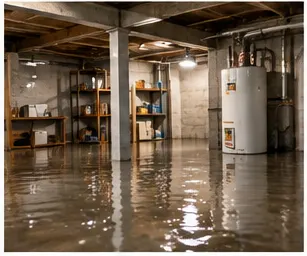
Heavy North Texas thunderstorms can overwhelm drainage systems and cause water to enter through roofs, windows, or low points around a foundation.
Burst pipes, water heater failures, and sewer backups are also common causes, particularly in homes with older plumbing or during sudden temperature swings.
What Happens If Water Damage Isn't Fully Dried?
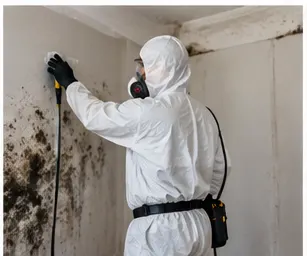
Leftover moisture in flooring, drywall, or insulation can lead to warping, deterioration of building materials, and conditions that support mold growth.
This is why professional drying focuses on confirming moisture levels with equipment rather than relying on how a surface looks or feels.
Insurance Documentation for a Water Damage Claim
Photograph and video all affected areas and belongings before any cleanup or repairs begin. Keep a written timeline noting when the water damage occurred and when it was discovered.
Save receipts related to the damage, including any temporary repairs or alternative living arrangements, since these are often reimbursable as part of a standard claim.
How Do I Know When Drying Is Actually Complete?
A material can look and feel dry on the surface while still holding excess moisture underneath. This is why moisture meters and periodic readings are used throughout the drying process rather than relying on visual inspection alone.
Repairs and rebuilding generally shouldn't begin until moisture levels in the affected materials have returned to an appropriate range, since starting too soon can trap moisture behind new finishes.
Why Ventilation and Equipment Placement Matter
Air movers and dehumidifiers work together to pull moisture out of both the air and the materials themselves, and their placement is based on the specific layout of the affected area.
Sealing off unaffected rooms can help concentrate drying efforts where they're actually needed, which may shorten the time before repairs can begin.
What's the Difference Between Category 1, 2, and 3 Water?
Water damage is often grouped by contamination level: clean water from a supply line, gray water from appliances like dishwashers, and black water from sewage or flooding, which carries the highest contamination risk.
The category of water affects what can be dried and salvaged versus what needs to be removed and discarded, since porous materials exposed to contaminated water often cannot be safely restored.
How Does Flood Insurance Differ From Standard Homeowners Coverage?
Standard homeowners insurance often excludes damage caused by external flooding, which is typically covered under a separate flood policy. A burst pipe inside your home is usually treated differently than floodwater entering from outside.
If you're unsure which type of coverage applies to your situation, review your policy documents or ask your agent directly, since the distinction can significantly affect what's covered after a major storm.
What Belongings Are Hardest to Restore After Flooding?
Porous items like mattresses, upholstered furniture, and carpet padding that have been soaked in contaminated water are often difficult or impossible to fully restore, since bacteria and contaminants can remain trapped inside.
Documents, photographs, and electronics may sometimes be salvageable with specialized drying and cleaning methods, but the outcome depends heavily on how long they were exposed to water and what type of water was involved.