



Guide to Water, Fire & Mold Restoration in Plano, TX
Plano's mix of established neighborhoods and newer developments each bring their own restoration challenges, from aging plumbing to storm-driven roof damage. Here's what homeowners should know.
What Causes Most Water Damage in Plano Homes
Burst pipes, water heater failures, and appliance leaks are common causes of water damage across Plano, along with occasional roof leaks after severe storms.
Because Plano has both older and newer construction, the plumbing issues that cause damage can vary widely from one neighborhood to the next.
How to Spot Hidden Water Damage
Discolored drywall, a persistent musty smell, or flooring that feels soft underfoot can all signal water damage that isn't immediately visible.
An unexpected rise in your water bill is often one of the first clues that a leak is happening somewhere out of sight.
What to Do Before Help Arrives
If it's safe, shut off the water source and any electricity in the affected area, and move furniture and valuables away from standing water.
Photograph the damage before you begin cleaning up, since this documentation helps both the restoration crew and your insurance company understand what happened.
The Structural Drying Process
Extracting standing water is just the first step. Moisture meters help technicians identify dampness that has soaked into drywall, subfloor, or framing.
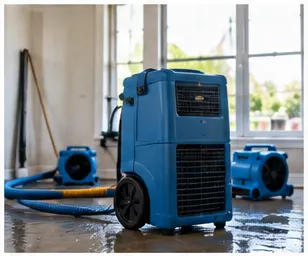
Industrial air movers and dehumidifiers are then used to dry the structure completely, which can take several days depending on how much water was involved.
Severe Weather and Roof Damage in North Texas
Plano experiences the same seasonal severe storms as the rest of North Texas, including hail and high winds that can damage roofing and siding.
After a major storm, check your attic for damp insulation or ceiling stains, and inspect gutters for shingle granules that suggest roof wear.
Understanding Mold Risk After a Leak
Mold can begin growing within a day or two after materials stay wet, which is why thorough drying matters more than just removing visible water.
A musty smell or visible spotting on walls or baseboards after any leak should be checked promptly, since mold can spread inside wall cavities.
Filing an Insurance Claim
Sudden events like a burst pipe are typically covered under most homeowner policies, while gradual leaks from unresolved maintenance issues are often excluded.
Keep receipts for any repairs, and ask your restoration provider to document moisture readings and completed work to support your claim.
Choosing a Restoration Company in Plano
Look for a company with 24/7 emergency availability that works with both residential and commercial properties and can handle the entire process in-house.
Ask how they coordinate with insurance adjusters, since detailed documentation can significantly speed up the claims process.
Preventing Future Property Damage
Check appliance hoses, water heater fittings, and under-sink plumbing periodically for signs of wear or corrosion.
Keep gutters clear and make sure water drains away from your foundation, which helps offset the effects of the clay soil common throughout the region as it expands and contracts with moisture.
Fire and Smoke Damage in Plano Properties
Smoke residue travels well beyond the room where a fire starts, settling into HVAC systems, fabrics, and gaps around doors throughout a home or office.
Because water is typically used to fight a fire, restoration usually combines structural drying with soot removal and odor treatment for a complete recovery.
Commercial Properties and Water Damage in Plano
Plano's office parks and retail centers face their own restoration needs, from large open floor plans to sensitive equipment and inventory that can be damaged by moisture.
Commercial water damage often requires larger-scale extraction and drying equipment along with coordination to limit disruption to employees, tenants, or customers.
Carpet, Upholstery, and Flooring After Water Exposure
Wet carpet and padding can often be saved if addressed quickly, but prolonged exposure to moisture usually means padding needs to be replaced even if the carpet itself survives.
Hardwood and laminate flooring are especially sensitive to water and may cup, warp, or separate at the seams if not dried promptly and thoroughly.
Air Duct and Dryer Vent Considerations
After a water or fire event, HVAC ductwork can carry contaminants, soot, or moisture throughout a property if it isn't inspected and cleaned as part of the restoration.
Clogged dryer vents are also a fire risk on their own, and periodic cleaning helps reduce that hazard separately from any restoration project.
24/7 Emergency Response for Plano Properties
Water and fire emergencies rarely happen at a convenient time, which is why having access to round-the-clock restoration support matters for both homeowners and business owners.
A quick initial response, even before full repairs begin, can include steps like water extraction, board-up services, and temporary measures to prevent further damage while a full plan is put together.
The sooner a property is stabilized, the more likely it is that materials like flooring, drywall, and furniture can be saved instead of replaced.
Air Duct Cleaning and Indoor Air Quality
After any restoration project, ductwork can hold onto dust, soot, or moisture that affects indoor air quality long after visible repairs are finished.
Cleaning air ducts and dryer vents periodically, separate from any emergency, helps reduce allergens and lowers fire risk from lint buildup in dryer systems.