What to Do After a Fire: A North Texas Homeowner's Guide
A house fire is overwhelming, and the hours right after it happens matter. Here's what homeowners in Dallas and North Texas should know about staying safe, documenting damage, and getting a property back in order.
Is it safe to go back inside?
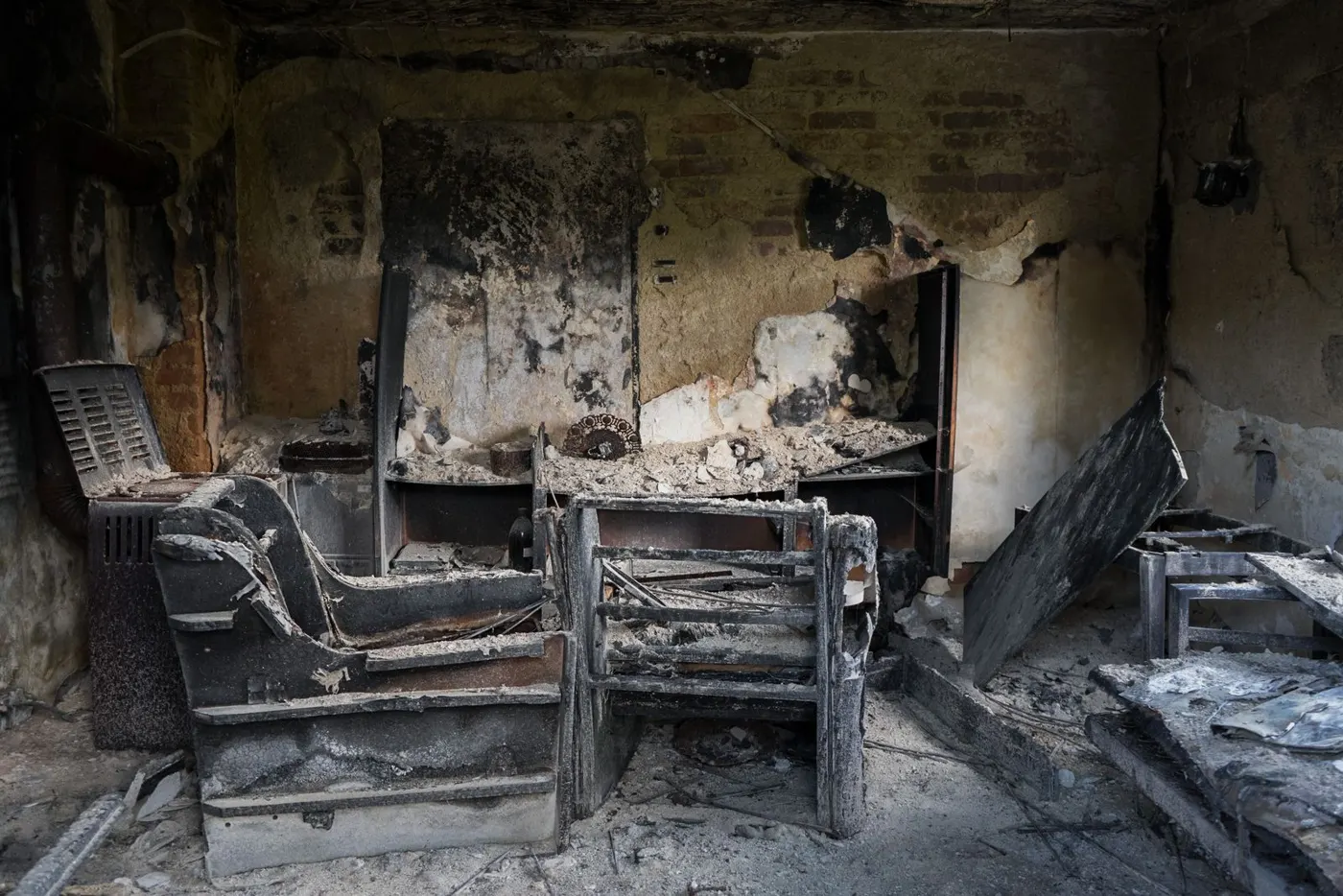
Do not re-enter a fire-damaged home until the fire department or a restoration professional confirms it's safe. Fire can weaken framing, roofs, and floors even when damage looks minor from the outside.
Electrical systems exposed to fire or firefighting water can also pose a shock hazard. Soot and residue may irritate eyes, skin, and lungs, so limit exposure until the property has been properly assessed.
What should I document for my insurance claim?
Before anything is cleaned up or moved, take photos and video of every affected room, including ceilings, walls, floors, and personal belongings. Wide shots and close-ups both help.
Keep a written list of damaged items and any receipts for temporary lodging, food, or emergency repairs. Contact your insurance company as soon as possible to open a claim and ask what documentation they require.
Avoid throwing away damaged items until your adjuster has reviewed them or you've been told it's okay, since insurers often want to inspect losses before disposal.
Why does smoke odor spread so far from the fire itself?
Smoke is made of tiny particles that travel through HVAC systems, gaps in walls, and porous materials like drywall, carpet, and upholstery. That's why odor and residue often show up in rooms far from where the fire started.
Heat and humidity, common in North Texas summers, can make lingering smoke odor more noticeable as materials expand and release trapped particles.
What can homeowners do in the first 24 hours?
If it's safe, ventilate the home once cleared by officials to reduce trapped smoke odor. Avoid using electronics, appliances, or HVAC systems that were exposed to fire, heat, or water until they've been checked.
Cover broken windows or damaged roof sections with tarps or boards if you're able to do so safely, or ask a restoration company to handle securing the property to prevent weather damage or unauthorized entry.
Should I try to clean soot myself?
Wiping soot with a dry cloth or household cleaner can actually grind it deeper into surfaces or spread staining. Soot type varies by what burned, and each type responds to different cleaning methods.
For anything beyond light surface dust, it's usually better to leave soot and residue removal to professionals with the right equipment, especially on fabric, upholstery, and HVAC components.
How can I prevent future fires at home?
Test smoke detectors monthly and replace batteries at least once a year. Keep space heaters at least three feet from anything flammable and never leave cooking unattended.
Have electrical wiring inspected in older homes, and clean lint from dryer vents regularly, since clogged vents are a common cause of house fires.
How do I choose a restoration company after a fire?
Look for a company that responds quickly, explains the scope of work in writing, and communicates directly with your insurance adjuster. Ask what's included in the estimate and whether they handle both cleanup and reconstruction.
A company familiar with North Texas homes will understand how local building materials, humidity, and storm patterns can affect the restoration process.