


Your Guide to Restoration Services in Greenville, TX
Water, fire, storm, and mold damage all move fast, and Greenville homeowners often have questions about what happens next. This guide covers what to watch for, what the restoration process involves, and how to protect your property and your insurance claim.
What Counts as a Restoration Emergency?
Not every spill or stain requires a professional, but several situations do. A burst pipe, sewage backup, roof leak after a storm, or any fire or smoke event are all emergencies that need fast attention.
The common thread is moisture or contamination that can spread into walls, flooring, and furniture. The longer it sits, the more materials it can affect and the more it can cost to repair.
Signs of Hidden Water Damage
Water damage isn't always obvious. Watch for discolored ceiling tiles or drywall, a musty smell, peeling paint, warped flooring, or unexplained increases in your water bill.
Soft spots in flooring or baseboards that feel damp to the touch can indicate moisture trapped underneath. These signs are worth investigating even if you haven't noticed an obvious leak.
Why North Texas Storms Put Greenville Homes at Risk
Greenville sits in Hunt County, an area that regularly experiences severe thunderstorms, straight-line winds, and hail during spring and early summer. These storms can knock down tree limbs, damage roofing, and drive rain into attics and walls.
Heavy rainfall over a short period can also overwhelm gutters and drainage around a foundation, pushing water toward crawl spaces and lower levels of a home.
How Clay-Rich Soil Affects Local Properties
Much of North Texas has clay-heavy soil that expands when wet and contracts when dry. That constant movement can stress foundations, shift slabs, and put pressure on buried plumbing lines.
Small foundation shifts can crack pipes or fittings over time, which sometimes leads to slow leaks that go unnoticed until damage has already spread.
What to Do in the First Few Hours
If it's safe, shut off the water source or power to the affected area. Move furniture, electronics, and valuables away from standing water or wet flooring.
Take photos or video of the damage before you clean up or move anything, if possible. This documentation is useful later for insurance purposes and helps a restoration crew understand what happened.
What the Drying Process Actually Involves
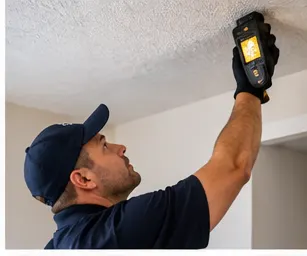
Removing standing water is only the first step. Materials like drywall, subfloor, and insulation can hold moisture well after the surface looks dry, which is why moisture meters are used to check materials at different depths.
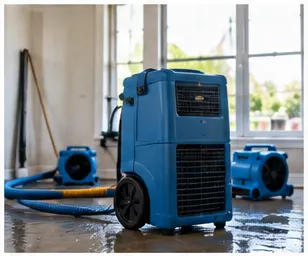
Industrial air movers and dehumidifiers are then set up to pull remaining moisture out of the structure. Drying times vary depending on how much water was involved and what materials absorbed it.
Documenting Damage for an Insurance Claim
Photograph the damage as soon as it's safe, including close-ups and wider shots of each affected room. Keep receipts for any temporary repairs or emergency purchases.
Avoid throwing away damaged items until your adjuster has reviewed them or you've been told it's okay to dispose of them, since some may need to be inspected as part of the claim.
How to Choose a Restoration Company
Look for a company that offers 24/7 emergency response, since damage often happens outside normal business hours. Ask how they handle documentation and whether they can work directly with your insurer.
A company that services both residential and commercial properties, and offers a full range of services from water extraction to mold remediation, can typically manage a project from start to finish without bringing in multiple outside contractors.
Reducing the Risk of Future Damage
Clean gutters regularly and make sure downspouts direct water away from your foundation. Inspect washing machine hoses, water heater connections, and under-sink plumbing periodically for early signs of wear.
In Greenville's heat and humidity, keeping indoor humidity in check with proper ventilation and a working HVAC system also helps reduce the conditions mold needs to grow.
Fire and Smoke Damage Basics
Even a small kitchen fire can leave smoke and soot residue throughout a home, since smoke travels through hallways, HVAC ducts, and gaps around doors far beyond the room where the fire started.
Water used to extinguish a fire adds another layer of damage, so most fire restoration projects also involve drying and dehumidifying the structure alongside soot and odor removal.
Acting quickly on smoke odor matters because soot residue is acidic and can continue etching into surfaces like metal, glass, and painted walls the longer it sits untreated.
Mold Remediation After Water Damage
Mold can begin developing within a day or two once materials stay damp, which is why thorough drying after any water event is so important, not just removing visible standing water.
Common warning signs of a mold problem include a persistent musty smell, visible spotting on walls or ceilings, or respiratory irritation that improves when you leave the house.
Professional remediation typically involves containing the affected area, removing materials that can't be salvaged, and treating surfaces before confirming the space is dry and clean.
What Happens During a Restoration Estimate
A technician typically inspects the affected area, checks moisture levels in surrounding materials, and outlines what needs to be extracted, dried, cleaned, or replaced.
You should receive a clear explanation of the proposed scope of work, which helps you understand what will happen at each stage and gives your insurance adjuster something concrete to review.
Working With Your Insurance Company
Most homeowner policies cover sudden, accidental water damage such as a burst pipe, but they often exclude gradual leaks or flooding from an outside water source, so it helps to understand your specific policy before an emergency happens.
A restoration company that documents moisture readings, photographs, and the scope of work performed can make it easier for your adjuster to process a claim without delays.
If you're ever unsure whether something is covered, ask both your insurer and the restoration company directly rather than assuming, since coverage details vary widely between policies and providers.