


Water, Storm & Fire Restoration Guide for Mesquite, TX
Mesquite's dense residential neighborhoods and busy commercial corridors near I-635 and US-80 each present their own restoration challenges. This guide covers what to watch for and how recovery typically works.
Common Causes of Water Damage in Mesquite Homes
Aging plumbing in Mesquite's many mid-century neighborhoods is a frequent source of slow leaks, especially around galvanized pipe connections and older water heaters.
Newer developments aren't immune either. Improperly sealed appliance connections and irrigation lines can fail just as easily, sometimes causing damage faster since it goes unnoticed longer.
Recognizing Damage Before It Spreads
Soft or spongy flooring, bubbling paint, and a persistent musty odor are common early indicators of a water problem that hasn't fully surfaced yet.
Pay attention to sounds too. A running toilet or a faint hissing near a wall can point to a leak that hasn't caused visible damage yet but will if left alone.
First Steps When You Discover a Leak
Turn off the water supply to the affected fixture or the main shutoff if the source isn't obvious, and switch off electricity to the area if it's safe to do so.
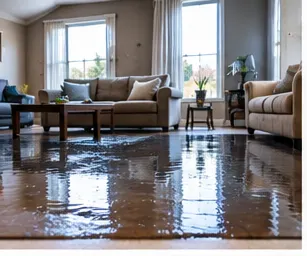
Move furniture, rugs, and electronics away from standing water, and photograph everything before cleanup begins so you have a clear record of the damage.
How Professional Extraction and Drying Work
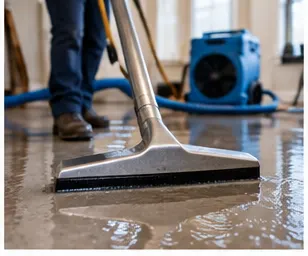
Standing water is removed first with pumps or extraction equipment, followed by moisture testing to determine how far the water traveled into flooring, walls, and framing.
Air movers and industrial dehumidifiers then run for several days to bring the structure back to a stable moisture level, which helps prevent secondary damage like warping or mold.
Storm Damage Around Mesquite
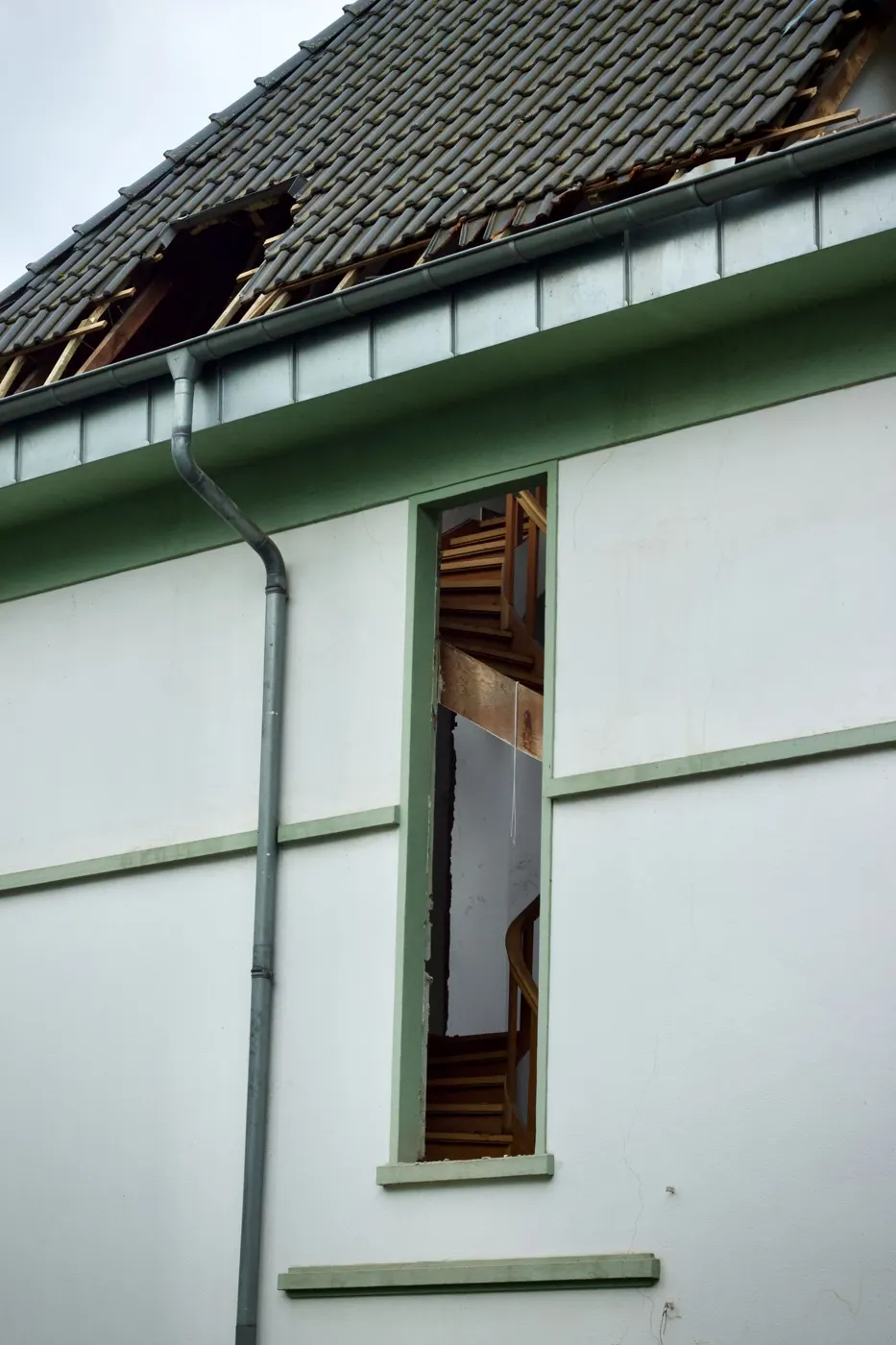
Mesquite experiences the same severe spring and summer storm systems common across North Texas, including damaging hail and straight-line winds that can strip shingles and dent siding.
After a storm, inspect your attic for damp insulation and check gutters and downspouts for granules, which often signal that your roof has taken damage worth addressing.
Mold Risk After Any Moisture Event
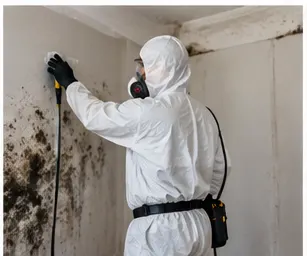
Mold spores are always present in the air, and they only need damp material and time to start growing, often within one to two days in Mesquite's humid climate.
Even a small, contained leak can lead to mold if it's not fully dried, since moisture can hide inside wall cavities long after the surface looks fine.
What Fire and Smoke Restoration Involves
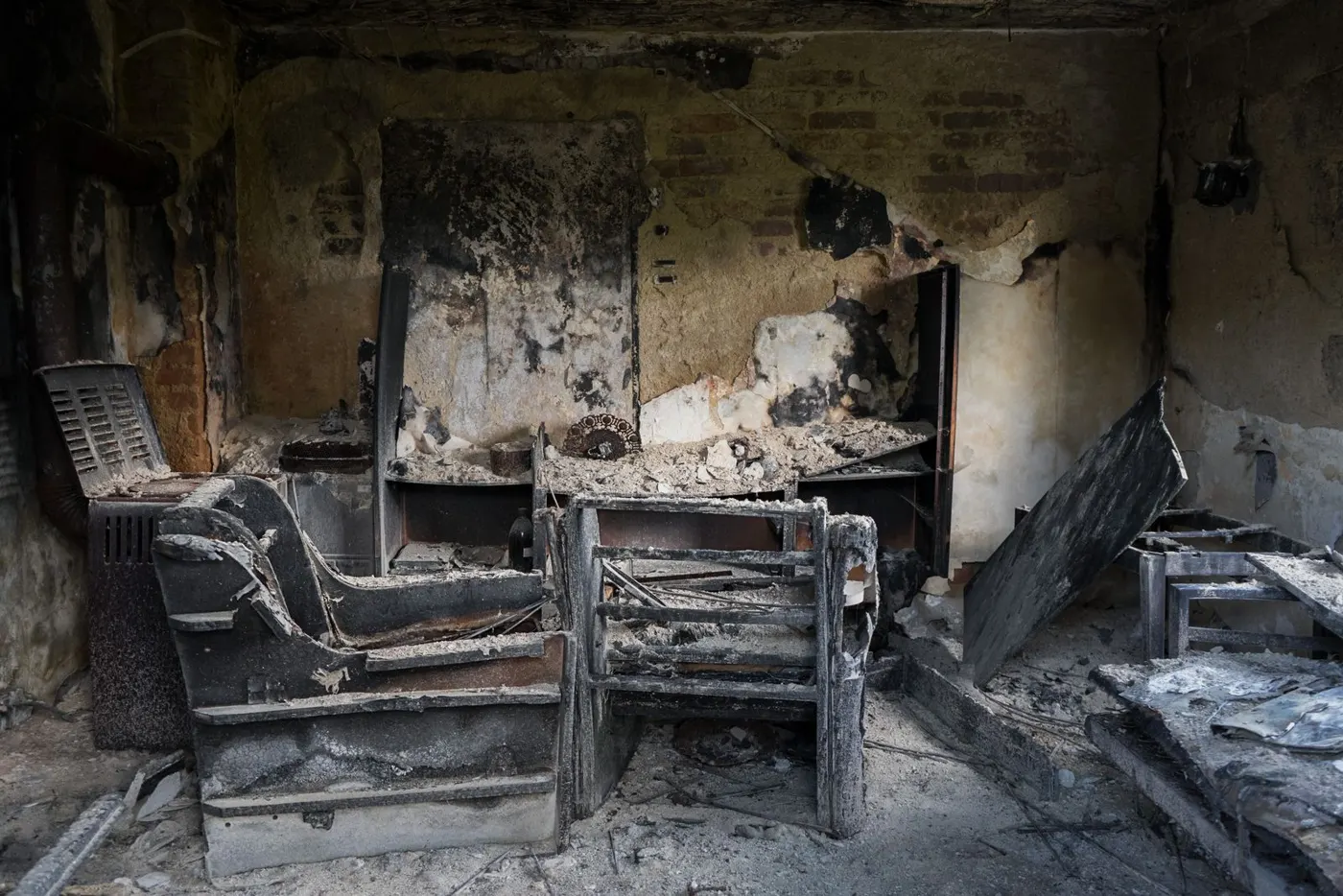
A fire's damage often extends well past the flames themselves, with smoke residue and odor spreading through HVAC systems and settling into fabrics and porous materials.
Restoration typically combines soot removal, deep cleaning, odor treatment, and structural drying, since firefighting efforts usually leave water damage behind as well.
Filing a Claim After Property Damage
Understanding your policy ahead of time makes the claims process easier. Sudden events like burst pipes are usually covered, while gradual damage from neglect often isn't.
Save all documentation, including photos, moisture readings, and repair receipts, and ask your restoration company to provide records that support your insurance claim.
Protecting Your Property Going Forward
Check appliance hoses, supply lines, and water heater fittings on a regular basis, replacing anything that shows cracking or corrosion before it fails.
Keep gutters clean and make sure downspouts direct water well away from the foundation, which helps offset the clay soil common throughout Mesquite that shifts as moisture levels change.
Commercial Property Considerations Along Major Corridors
Mesquite's commercial areas along I-635 and US-80 include retail centers, warehouses, and office buildings that face their own restoration challenges, from large HVAC systems to extensive flooring.
Business owners often need faster turnaround to limit downtime, which means coordinating extraction, drying, and repairs closely so operations can resume as soon as it's safe.