

A Homeowner's Guide to Water, Fire & Mold Restoration in Lancaster, TX
Property damage in Lancaster can come from summer storms, aging plumbing, or an unexpected fire, and knowing what to do first can limit how much damage spreads. Here's what to know about restoration, insurance, and prevention.
Common Causes of Property Damage in Lancaster
Lancaster homes deal with the same mix of risks as much of Dallas County: summer thunderstorms, occasional hail, aging plumbing in older neighborhoods, and appliance failures like water heaters and washing machines.
Because Lancaster sits south of Dallas along I-35E, heavy rainfall events can bring fast runoff, which sometimes overwhelms drainage around homes with grading issues or clogged gutters.
Recognizing a Water Damage Emergency
A sudden puddle, a dripping ceiling, or water pooling near an appliance are obvious signs, but slower leaks can be harder to catch. Watch for warped baseboards, bubbling paint, or a musty smell in a specific room.
If you notice your water bill has jumped without an obvious reason, it's worth checking for a hidden leak behind walls or under flooring.
First Steps Before Help Arrives
Shut off the water supply or electrical circuit to the affected area if it's safe to do so. Move furniture and belongings out of standing water when possible.
Take photos of the damage before cleanup begins. This record helps both the restoration team and your insurance adjuster understand the extent of what happened.
How Structural Drying Works
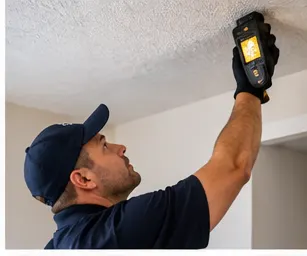
Visible water is only part of the problem. Moisture can soak into drywall, subfloor, and insulation, so technicians use moisture meters to check how deep the damage goes before deciding what needs to be dried, cleaned, or removed.
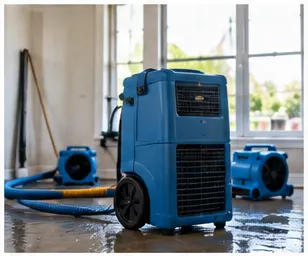
Air movers and dehumidifiers are then positioned to reduce humidity and pull moisture out of building materials, which usually takes several days depending on the extent of the damage.
Fire and Smoke Recovery Basics
Smoke damage can spread well beyond the room where a fire occurred, traveling through hallways and HVAC systems and leaving residue on walls, fabrics, and belongings.
Restoration after a fire typically combines soot and odor removal with structural drying, since water used to put out the fire adds its own moisture problem to the property.
When Mold Becomes a Concern
Mold can start developing within a day or two after materials stay wet, particularly in Lancaster's humid summer months. A musty odor or visible spotting on walls, baseboards, or ceilings are common signs.
Addressing the moisture source and thoroughly drying the area is the most effective way to prevent mold from taking hold after any water event.
Making Sense of Your Insurance Claim
Most policies cover sudden events like a burst pipe but may exclude gradual leaks or damage from neglected maintenance, so it helps to review your policy before you need to file a claim.
Keep receipts for temporary repairs, hold onto damaged items until your adjuster has reviewed them, and ask your restoration company for detailed documentation of the work performed.
Choosing a Restoration Company in Lancaster
Look for a company available around the clock, since water and fire damage rarely wait for business hours. Ask whether they handle both residential and commercial properties and what services are included from start to finish.
A company that can manage extraction, drying, cleaning, and repairs under one roof typically means fewer delays and less coordination on your part.
Preventing Future Damage
Regularly inspect washing machine hoses, water heater connections, and under-sink plumbing for wear. Clean gutters and check that downspouts direct water away from your foundation.
Because much of the region has clay-heavy soil that shifts with moisture changes, keeping consistent watering around your foundation during dry spells can help reduce the ground movement that stresses buried pipes.
What to Expect During a Restoration Estimate
A technician will typically walk through the affected areas, check moisture levels in the surrounding materials, and explain what needs to happen next, whether that's extraction, drying, cleaning, or repairs.
Ask for a written scope of work before anything begins. This gives you a clear reference point and something your insurance adjuster can review alongside your claim.
It's also reasonable to ask how long the drying process is expected to take and what equipment will be left in your home, since air movers and dehumidifiers can run for several days.
Sewage and Contaminated Water Cleanup
Not all water damage is the same. Water from a sewage backup or floodwater carrying outside contaminants requires more than extraction and drying because bacteria and other contaminants can pose a health risk.
If you suspect a sewage backup, keep children and pets away from the area, avoid direct contact with the water, and don't use fans that could spread contamination to unaffected rooms before a professional arrives.
Affected materials that can't be properly sanitized, such as certain carpet padding or drywall, are often removed rather than dried in place.
Caring for Carpets, Upholstery, and Flooring After Damage
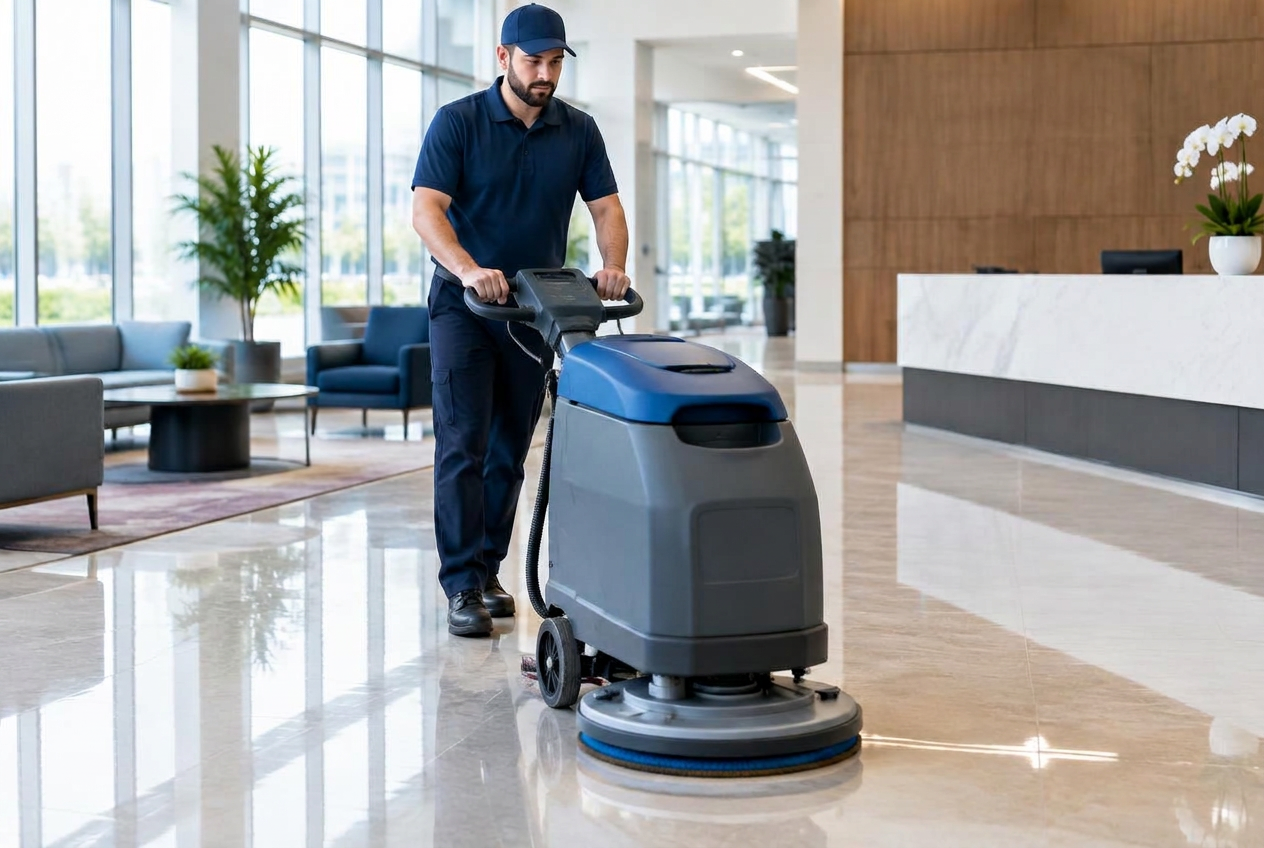
Carpet, upholstery, and hard flooring can often be saved if they're cleaned and dried quickly enough after a water event, but the window for successful restoration narrows the longer materials stay wet.
Professional cleaning can also help remove residual odors that linger after a spill or minor flood, even once the area looks dry on the surface.
If you're unsure whether an item can be salvaged, ask the restoration team for an assessment before discarding anything, since some materials respond better to professional cleaning than expected.
Local Storm Patterns Worth Knowing
Spring and early summer bring the highest risk of severe thunderstorms and hail across Dallas County, including Lancaster, which can damage roofing and drive water into attics through even small gaps.
Keeping an eye on your roof after major storms, and addressing minor leaks before they become bigger problems, is one of the simplest ways to avoid larger restoration projects down the road.