


Grand Prairie, TX Guide: Water, Fire & Mold Restoration Basics
Situated between Dallas and Fort Worth, Grand Prairie properties face a wide range of restoration needs, from sudden plumbing failures to severe storm damage.
What Should I Do the Moment I Discover Water Damage?
Shut off the water source at the valve or main if it's safe to reach. If standing water is anywhere near outlets, switches, or appliances, avoid the area until it's confirmed safe.
Move furniture, rugs, and electronics away from the wet area when possible, and take photos of the damage before cleanup begins for insurance documentation.
Why Do Grand Prairie's Older and Newer Areas Have Different Risks?
Grand Prairie includes established neighborhoods with older plumbing alongside newer developments built in the last couple of decades. Older homes are more prone to corroded pipes, while newer homes can still experience installation-related leaks.
Regardless of a home's age, checking visible plumbing connections and appliance hoses periodically is a simple way to catch small leaks early.
How Does Standing Water Turn Into a Bigger Problem?
Water moves through porous materials quickly, often traveling beneath flooring, behind baseboards, and into wall cavities long before it's visible on the surface.
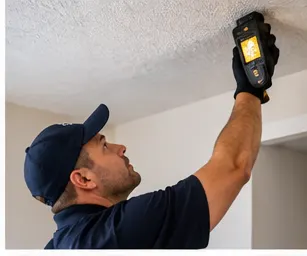
This is why a thorough inspection matters after any water event—the wet area you can see is frequently smaller than the area actually affected.
What Does the Structural Drying Process Look Like?
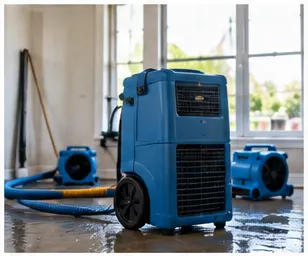
After standing water is extracted, air movers and dehumidifiers are positioned to draw moisture out of affected materials. This process can take several days depending on how much moisture was absorbed and what materials are involved.
Moisture readings are checked periodically throughout the process, since visual inspection alone can't confirm when a material has fully dried.
How Does Severe Weather Affect Grand Prairie Properties?
The area between Dallas and Fort Worth regularly experiences severe thunderstorms, high winds, and occasional hail, which can damage roofing, siding, and windows.
After a storm passes and it's safe to inspect the property, look for ceiling stains, damp attic insulation, or dislodged shingles, since roof damage isn't always immediately obvious from inside the home.
Recognizing Early Signs of Mold
Persistent musty odors, visible discoloration on walls or ceilings, and a lingering damp feeling in a room are all signs worth investigating, even without an obvious recent leak.
North Texas summers bring heat and humidity that can accelerate mold growth once moisture is present, so addressing leaks quickly matters.
What Happens During Fire and Smoke Cleanup?
Smoke and soot residue often spreads well beyond the immediate fire area, settling into HVAC systems, fabrics, and porous surfaces throughout the property.
Water used during firefighting efforts frequently causes its own damage, meaning fire restoration usually includes drying and moisture evaluation similar to a standard water loss.
Documenting Damage for Your Insurance Claim
Photograph and video all affected rooms and belongings before cleanup starts. Keep a written timeline of when the damage occurred, when you discovered it, and what steps you took immediately afterward.
Save receipts for any temporary repairs, emergency supplies, or alternative housing, since these expenses are frequently part of a standard claim.
Simple Prevention Steps for Homeowners
Inspect water heaters, appliance supply lines, and visible plumbing connections a few times a year. Clean gutters and downspouts regularly so storm water drains away from your foundation instead of pooling nearby.
If your property has experienced water damage before, keep an eye on that area for recurring signs of moisture, since previously affected materials can be more vulnerable to future problems.
What Does a Typical Restoration Project Look Like Start to Finish?
Most projects begin with an inspection to assess the scope of damage, followed by extraction, drying, cleaning, and any necessary repairs. Straightforward residential losses may resolve in a matter of days, while larger or more complex losses take longer.
Throughout the process, ask for updates on drying progress and a clear explanation of what steps remain before the project is considered complete.
How Weather and Humidity Affect the Drying Timeline
North Texas humidity, especially during the summer months, can slow down how quickly dehumidifiers pull moisture out of the air and out of building materials.
This means a drying project started during a humid stretch may simply take longer than the same job would during cooler, drier weather, which is a normal part of the process.
How Does Grand Prairie's Lake Proximity Affect Flood Risk?
Properties near Joe Pool Lake and area waterways can face additional drainage considerations during heavy rain events, particularly for homes in lower-lying areas or near creek beds.
If your property has flooded before due to nearby water features, it's worth understanding your flood risk separately from standard homeowners coverage, since many policies treat flood damage differently from other water damage.
What Should Businesses Near Industrial Corridors Consider?
Grand Prairie's mix of industrial, warehouse, and commercial space means some properties deal with large open floor plans, specialized equipment, and inventory that all complicate a water or fire event.
Commercial restoration in these settings often requires coordinating around business hours, protecting undamaged inventory, and addressing moisture in materials like concrete flooring that dry more slowly than residential surfaces.
How Can I Reduce Disruption During a Restoration Project?
Set up a temporary space away from the affected area for daily activities if possible, and keep a list of what's been moved and where, especially if multiple rooms are affected.
Ask your restoration provider for a general schedule of when equipment will be running and which areas will be off-limits, so you can plan around the work rather than being surprised by it.
How Does Being Between Two Major Cities Affect Restoration Access?
Grand Prairie's location along the Dallas-Fort Worth corridor generally means restoration crews serving the broader metro area can reach properties here without significant travel delays.
This central location also means the city sees a wide variety of construction styles and property types, from long-established residential streets to newer commercial development near major highways.