24/7 emergency restoration · Dallas & North Texas 972-287-5856
ARS Restoration Services

Mold Remediation & Restoration in Dallas & North Texas

Mold Remediation & Restoration in Dallas & North Texas

24/7

Emergency response

30+

Years of experience

24/7

Emergency response

Local

North Texas team

Home & Biz

Residential & commercial

Professional Mold Remediation for Dallas & North Texas Properties

Professional Mold Remediation for Dallas & North Texas Properties

Mold can develop quickly when moisture enters a home or commercial property.

Mold Growth in North Texas Homes & Businesses

Mold Growth in North Texas Homes & Businesses

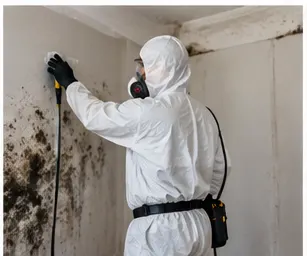
Mold spores naturally exist throughout the environment. Problems begin when excess moisture allows mold to grow on drywall, insulation, wood, carpeting, flooring, cabinetry, and other building materials.

Water, fire or mold damage? We answer 24/7.

Fast local response across Dallas & North Texas.

Common Causes of Mold Growth

Common Causes of Mold Growth

Most mold problems begin with one thing: moisture.

  • Plumbing leaks and burst pipes
  • Roof leaks
  • Storm and wind-driven rain
  • Flooding and water intrusion
  • Appliance leaks and overflows
  • Water heater failures
Signs You May Have a Mold Problem

Signs You May Have a Mold Problem

Mold is not always obvious. Sometimes the first sign is discoloration on a wall or ceiling.

  • Visible black, green, brown, gray, or white growth
  • Musty or earthy odors
  • Water stains on walls or ceilings
  • Peeling or bubbling paint
  • Warped drywall
  • Soft or deteriorating building materials
Our process

Our Mold Remediation & Restoration Process

Every mold situation is different. The amount of contamination, affected materials, moisture source, property layout, and other conditions determine the appropriate remediation plan.

  1. 1

    Evaluate the Affected Area

    The first step is understanding what has happened and which areas have been affected.

  2. 2

    Identify and Address the Moisture Source

    Mold remediation cannot provide a lasting solution if the moisture problem continues.

  3. 3

    Containment of the Work Area

    Controlling the affected area helps limit the movement of dust, debris, and mold particles into unaffected portions of the property during remediation.

  4. 4

    Air Filtration and Particle Control

    Professional air filtration equipment may be used during remediation to capture airborne particles generated during the cleanup process.

  5. 5

    Removal of Mold-Contaminated Materials

    Some materials can be cleaned and restored. Others may need to be removed when mold contamination has penetrated porous building materials.

  6. 6

    Cleaning & Treatment of Salvageable Surfaces

    Remaining structural materials and surfaces are cleaned using professional methods appropriate for the material and conditions.

  7. 7

    Drying & Moisture Control

    Drying is an essential part of successful mold restoration.

  8. 8

    Restoration of the Affected Area

    Mold contamination sometimes requires drywall, flooring, trim, insulation, or other materials to be removed.

Water, fire or mold damage? We answer 24/7.

Fast local response across Dallas & North Texas.

Mold After Water Damage

Mold After Water Damage

One of the most common times property owners discover mold is after a water-loss event.

Residential Mold Remediation

Residential Mold Remediation

Mold can affect almost any area of a home where moisture is present.

  • Bathrooms
  • Kitchens
  • Laundry rooms
  • Bedrooms
  • Closets
  • Attics
Commercial Mold Remediation in Dallas & North Texas

Commercial Mold Remediation in Dallas & North Texas

Mold problems can also create significant challenges for businesses, property managers, building owners, and facility managers.

  • Office buildings
  • Retail properties
  • Restaurants
  • Warehouses
  • Industrial facilities
  • Multi-family properties
What we do

Why Choose ARS Restoration Services?

When mold or moisture damage affects your property, you need a restoration company that understands how water moves through a building and how damaged materials should be handled.

More Than 30 Years of Experience

ARS Restoration Services has served homeowners and businesses throughout Dallas and North Texas for more than three decades.

Water Damage & Moisture Expertise

Mold and water damage are closely connected.

Learn more

Professional Equipment

Depending on project conditions, our restoration equipment may include professional air filtration, moisture-detection, drying, dehumidification, and cleaning systems.

Residential & Commercial Restoration

We work with homeowners, businesses, property managers, real estate professionals, and commercial facilities throughout North Texas.

Learn more

Comprehensive Restoration Solutions

Property damage rarely fits into a single category.

Local North Texas Service

We know North Texas properties and the weather and moisture challenges they face.

Mold Remediation Service Areas

Mold Remediation Service Areas

ARS Restoration Services proudly serves homeowners and businesses throughout Dallas and North Texas.

Understanding Mold Risk in North Texas Homes

Mold is a common concern for Dallas-area homeowners because of the region's heat, humidity swings, and seasonal storms. Here's what to know about spotting problems early and handling them the right way.

Why does North Texas humidity make mold more likely?

Dallas and North Texas experience hot, humid summers followed by cooler, wetter winters. That combination creates repeated cycles of condensation and moisture buildup inside attics, bathrooms, and around windows.

Homes with poor attic ventilation or older HVAC systems are especially prone to trapped humidity, which can allow mold to establish itself even without an obvious leak.

Can I test for mold myself?

Home test kits can detect the presence of mold spores, but they can't reliably tell you the extent of contamination or whether it's affecting hidden areas like wall cavities.

In Texas, certain mold assessment and testing work must be performed by an independent, licensed mold assessor under state regulations, separate from the company doing the remediation.

What happens if I ignore a small mold spot?

Mold spreads when moisture is present, so what starts as a small patch behind a cabinet or under a sink can expand into surrounding drywall, insulation, or flooring over time.

Delaying action also gives mold more time to affect porous materials that may eventually need to be removed rather than cleaned.

Does painting over mold solve the problem?

No. Paint and sealants can temporarily hide surface mold, but they don't address the moisture source or any contamination that has already reached the material underneath.

Mold can continue growing behind the new paint layer, sometimes making the problem harder to detect until it resurfaces.

What steps can homeowners take to prevent mold?

Fix plumbing leaks and roof issues promptly, keep gutters clear, and make sure bathroom and kitchen exhaust fans vent to the outside rather than into the attic.

Running a dehumidifier in consistently damp areas like basements or interior bathrooms can help keep humidity levels down between seasons.

How does mold remediation typically get paid for through insurance?

Coverage often depends on whether the mold resulted from a sudden, covered water event, such as a burst pipe, versus a long-term maintenance issue like a slow roof leak. Review your policy or ask your agent directly.

Keep photos of the affected area and any related water damage before remediation begins, since this documentation is often needed to support a claim.

Are certain rooms more prone to mold in North Texas homes?

Bathrooms, laundry rooms, and attics tend to see the most mold-related calls because they combine moisture with limited airflow.

Homes with foundation issues common in the area's clay soil can also develop crawlspace or slab-edge moisture that contributes to mold if left unaddressed.

Checking these areas periodically for musty odors or discoloration, especially after heavy rain, can help catch a developing problem before it spreads further.

What role does ventilation play in preventing mold?

Poor airflow allows moisture to linger on surfaces instead of evaporating, creating the damp conditions mold needs to establish itself.

Simple steps like running exhaust fans during and after showers, and keeping interior doors open in less-used rooms, can improve air circulation and reduce trapped humidity.

FAQ

Frequently Asked Questions About Mold Remediation

Still have questions? Talk to a real person now.

What is the difference between mold removal and mold remediation?+

“Mold removal” is commonly used to describe cleaning mold from a property, while mold remediation refers to a more complete process of controlling contamination…

What causes mold to grow inside a home?+

Mold typically develops when building materials remain damp or wet.

Can mold grow after water damage?+

Yes. Water-damaged building materials can create conditions that support mold growth if they are not dried properly.

Can I just clean mold with bleach or paint over it?+

Surface treatment alone may not solve the underlying problem, particularly when mold has affected porous materials or moisture remains inside walls, flooring, or other…

Does mold always mean I have a major water leak?+

No.

How long does mold remediation take?+

The timeline depends on the size of the affected area, materials involved, extent of contamination, moisture conditions, accessibility, and restoration requirements.

Do you provide mold remediation for businesses?+

Yes. ARS provides restoration services for residential and commercial properties throughout Dallas and North Texas.

Do you provide mold testing?+

Texas distinguishes between mold assessment and mold remediation services.

Contact ARS Restoration Services for Mold Remediation in Dallas & North Texas

Don't let a moisture problem turn into more extensive property damage.