

Your Guide to Water, Fire & Mold Damage Restoration in Arlington, TX
Understanding what to do in the first hours after property damage can make a real difference in how the recovery process unfolds.
What Should I Do First After Discovering Water Damage?
Stop the source if you can safely do so, such as shutting off a water supply valve. If electrical outlets or panels are near standing water, avoid the area until power has been addressed.
Move furniture, electronics, and valuables away from wet areas when it's safe. Photograph the damage before cleanup begins, since this documentation is often useful for insurance purposes.
Arlington's clay-heavy soil can shift with heavy rain, which sometimes stresses foundations and underground plumbing. If you notice recurring slow leaks near slab areas, have them checked promptly.
How Does the Water Extraction and Drying Process Work?
Standing water is typically extracted first using pumps or extraction equipment. This is followed by an inspection to determine how far moisture has traveled into flooring, drywall, and other materials.
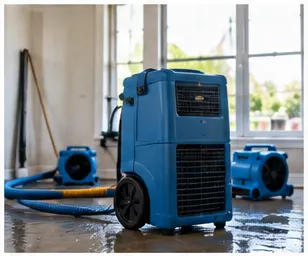
Air movers and dehumidifiers are then positioned to dry out the affected space. Moisture readings are taken periodically to confirm materials are drying at an appropriate pace, rather than just guessing based on how a surface feels or looks.
What Are Early Warning Signs of Mold Growth?
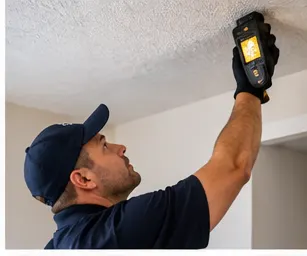
Musty odors, discoloration on walls or ceilings, and peeling paint can all indicate moisture problems that may lead to mold. Bathrooms, closets on exterior walls, and areas near past leaks are common places to check.
If you spot any of these signs after a leak or flood, addressing the moisture source quickly can help limit further growth.
Fire and Smoke Damage: What Happens After the Fire Is Out?
Smoke and soot residue often travel well past the room where a fire occurred, settling on surfaces, inside HVAC systems, and within fabrics. Odor can linger even after visible soot is cleaned.
Water used to extinguish a fire can also create a secondary water damage problem, which is why fire restoration often includes drying and moisture evaluation in addition to smoke cleanup.
Documenting Damage for Your Insurance Claim
Take photos and video of all affected areas and damaged belongings before any cleanup or repairs begin. Keep receipts for any temporary measures you take, like a hotel stay or emergency supplies.
Write down a timeline of what happened and when it was discovered. A clear record can help your claim move more smoothly and reduces the chance of disputes over what was damaged.
How Do I Choose a Restoration Company in Arlington?
Look for a company that responds quickly, communicates clearly about the scope of work, and is willing to explain the process in plain language rather than vague promises.
Ask what the restoration plan involves, how progress will be measured, and whether they handle direct communication with your insurance adjuster if needed.
Preventing Future Water Damage
Check supply lines behind washing machines, dishwashers, and refrigerators periodically, since these hoses degrade over time. Inspect your water heater for rust or slow leaks around its base.
During North Texas storm season, keep gutters clear and check your roof for missing shingles or damaged flashing before heavy rain arrives.
What Happens During a Typical Restoration Timeline?
Most projects start with an inspection and moisture assessment, followed by extraction, drying, cleaning, and any needed repairs. Straightforward losses may wrap up in days, while larger or more complex losses take longer.
Communication throughout the process matters. Ask for updates on drying progress and a general sense of what remains before the work is considered complete.
Arlington's mix of entertainment districts, residential neighborhoods, and commercial corridors means restoration needs vary widely, from single-family homes to larger mixed-use properties.
When Should I Call a Professional Instead of Handling It Myself?
Small, isolated spills can often be managed with towels and a fan. But once water has soaked into carpet padding, drywall, or subflooring, DIY drying rarely reaches the moisture trapped inside those materials.
If a leak involved more than a few gallons, came from a contaminated source, or has been present for more than a day, professional evaluation is generally the safer choice.
Why Ventilation and Airflow Matter During Cleanup
Proper airflow helps carry moisture out of a structure during the drying phase, which is why fans and dehumidifiers are placed in specific patterns rather than scattered randomly around a room.
Closing off unaffected rooms can help concentrate drying equipment where it's actually needed, which may shorten the overall time before repairs can begin.
If odors linger after visible cleanup is finished, this can sometimes indicate that moisture remains trapped somewhere out of sight, and it's worth having the area rechecked.
What Makes Arlington's Entertainment District Properties Different?
Properties near AT&T Stadium, Globe Life Field, and Six Flags see heavy foot traffic and seasonal usage patterns that can strain plumbing and HVAC systems differently than typical residential homes.
Restaurants, hotels, and short-term rentals in this corridor often need faster turnaround after water or fire damage since extended closures directly affect revenue and guest bookings.
How Do Slab Foundations Complicate Water Damage in Arlington?
Many Arlington homes sit on slab foundations, which means plumbing runs beneath the concrete rather than in an accessible crawlspace. A slab leak can go undetected for weeks, showing up only as a warm spot on the floor or an unexplained rise in your water bill.
Because the pipe itself is inaccessible without cutting into the slab, addressing a slab leak usually involves locating the exact leak point before any repair or drying work begins.
Handling Water Damage in Rental and Multi-Tenant Properties
Arlington has a substantial rental and apartment market, and a leak in one unit can quickly affect units below or beside it. Tenants should report leaks to property management immediately, even if the visible damage looks minor.
Landlords benefit from having a clear plan for who coordinates restoration access, since delays in reaching an occupied unit can allow moisture to spread further before drying can start.