
What to Do During a Property Emergency in Garland, TX
When water is pouring in, smoke is still in the air or a storm just tore open your roof, you need clear next steps. This guide walks Garland property owners through the first hours of an emergency.
Recognizing a True Restoration Emergency
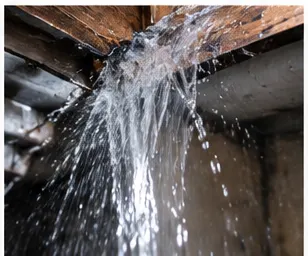
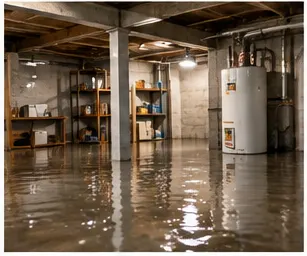
An emergency is any situation where damage is still spreading or the property is exposed. Active leaks, flooding, burst pipes, water coming through a ceiling and sewage backups all qualify.
So does the aftermath of a fire, or a storm that broke windows or damaged a roof. Waiting until morning in these situations usually means more damage and higher repair costs.
Safety First
Don't walk through standing water near outlets, appliances or electrical panels. If you can't safely reach the breaker, stay out of the area.
After a fire, only re-enter when the fire department says it's safe. After a storm, watch for downed power lines and avoid climbing onto a damaged roof.
Water Emergencies
Shut off the main water valve if you can, and move valuables, rugs and electronics away from the water. Open cabinets and closets near the leak so you can see what's affected.
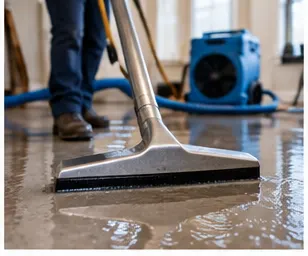
Extraction and drying should start as soon as possible. Learn what happens next in our guide to water damage restoration in Garland.
Fire and Smoke Emergencies
After the fire is out, the property may need board-up, tarping and water removal from firefighting. Avoid wiping soot or running the HVAC system.
See how cleanup and odor treatment work in our page on fire and smoke damage restoration in Garland.
Storm Emergencies
Hail and wind can open roofs and windows, letting rain inside. Temporary protection like roof tarping and board-up helps stop more water from entering.
Read more about storm damage restoration in Garland, including drying and documentation for insurance.
Information to Have Ready When You Call
Have your property address, a short description of what happened, when it started and whether water is still flowing. Note which rooms or floors are affected.
Let us know if it's a home or commercial property, whether anyone has safety concerns, and if you've already contacted your insurance company.
What Happens During Initial Mitigation
The crew checks for safety hazards, then focuses on stopping the damage: extracting water, covering openings and setting up drying equipment. Moisture readings show how far water traveled.
Damage is documented with photos and notes, and you'll get an explanation of what comes next. If mold is a concern, mold remediation in Garland may follow.
Sewage Backups
A sewage backup is a health concern as well as a property problem. Keep people and pets away from the affected area and avoid touching contaminated water or materials.
Sewage cleanup involves extraction, removal of contaminated porous materials, cleaning and sanitizing, then drying. It should be handled professionally.
After-Hours and Holiday Emergencies
Property emergencies don't wait for business hours. Pipes burst on cold nights, storms roll through on weekends and appliance lines fail during holidays.
ARS answers emergency calls 24/7, so you don't have to wait for Monday to start mitigation. Fast action is one of the best ways to limit damage.
Calling Your Insurance Company
Many property owners call their insurance company right after calling for emergency mitigation. Your policy may expect reasonable steps to prevent further damage.
Keep photos, notes and receipts from the emergency. Documentation from the restoration team, including moisture readings, helps your adjuster understand the loss.
Emergencies at Garland Businesses
Commercial emergencies often affect large spaces, inventory and tenants. A quick response helps limit downtime.
Learn about commercial property restoration in Garland, emergency restoration across Dallas and North Texas, or all Garland restoration services.