





Storm Damage Restoration Guide for Garland, TX
Garland sits in the path of North Texas spring and early summer storms, with hail, straight-line winds and heavy rain all common. Here's how to handle storm damage when it happens.
How Storms Damage Garland Properties
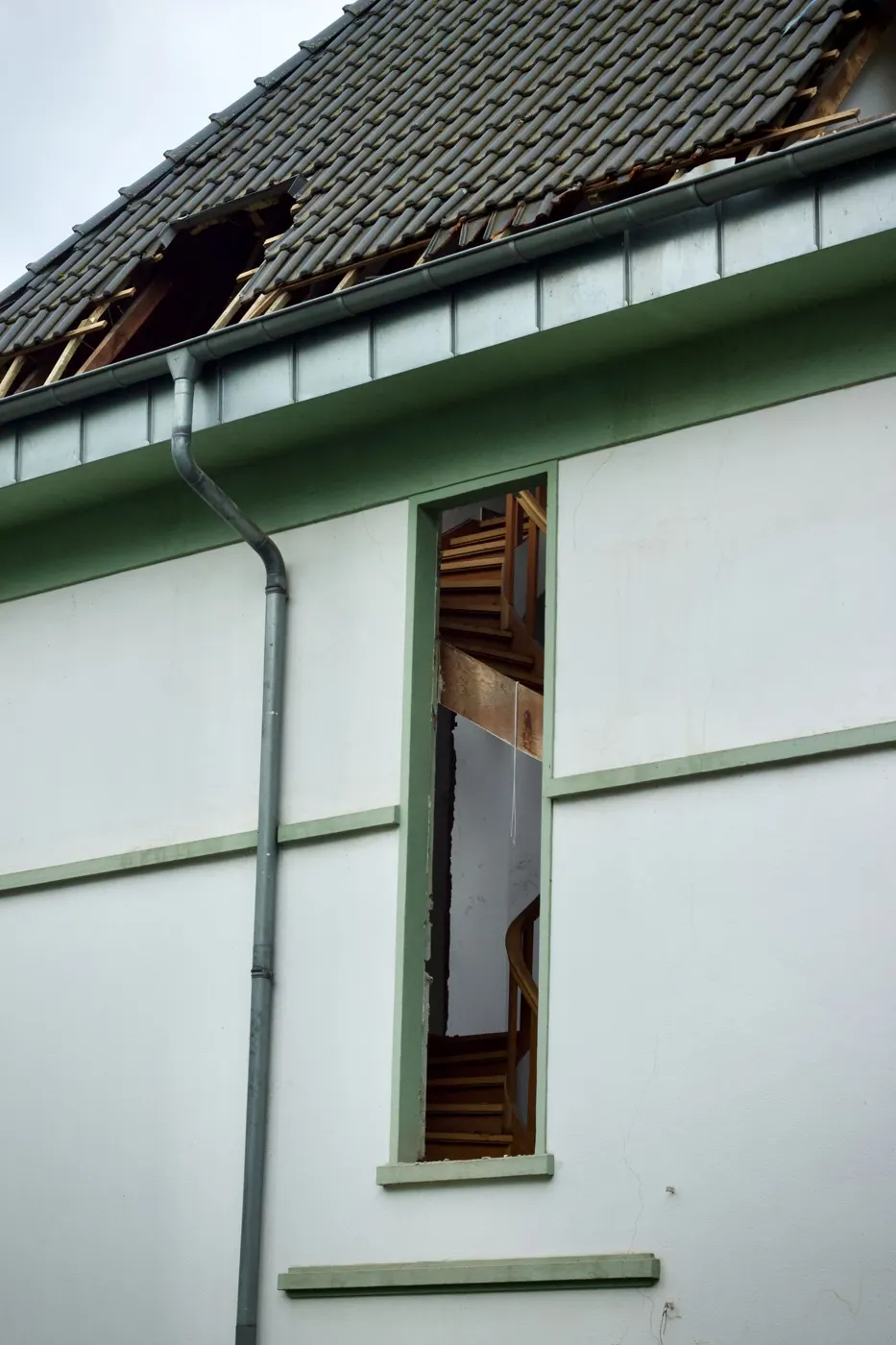
Hail can crack shingles, dent gutters and break windows and skylights. High winds can lift roofing, damage siding and drop tree limbs on roofs, fences and vehicles.
Heavy rain then finds any opening. Water can enter through damaged roofs, around windows and doors, or at ground level when drainage is overwhelmed.
Roof-Related Water Intrusion
A damaged roof doesn't always leak right away. Water may soak attic insulation and decking for days before a ceiling stain appears.
Check ceilings, attic spaces and upper walls after a major storm. If you find water, water damage restoration in Garland uses moisture detection to find how far it spread.
Temporary Protection Comes First
Before drying can start, openings need to be covered so more water doesn't get in. Roof tarping and board-up of broken windows or doors help protect the structure and contents.
Temporary protection is meant to hold until permanent repairs can be made. It's especially important when more storms are in the forecast.
Emergency Mitigation and Drying
Water that got inside is extracted, wet carpet and padding are evaluated, and moisture readings map the affected areas. Air movers and dehumidifiers then dry the structure.
Drying is tracked with readings until materials are back to normal. That helps prevent the swelling, odors and mold that can follow storm water.
Flood Water Needs Extra Care
Water that flows in from outside can carry dirt, debris and contaminants. Porous materials it touches may need to be removed, and affected areas cleaned and sanitized.
If moisture lingered before cleanup, watch for musty odors. Mold remediation in Garland addresses growth that develops after storm water.
Documenting Storm Damage for Insurance
Take photos and video of exterior and interior damage as soon as it's safe, and keep receipts for any emergency expenses. Note the date and time of the storm.
ARS documents damage with photos and moisture readings throughout the job. Good records help adjusters understand the full scope of the loss.
Staying Safe After a Storm
Stay away from downed power lines and avoid wet areas near electrical outlets. Don't climb onto a damaged roof yourself.
If water is actively coming in or your property is exposed, call our 24/7 emergency restoration team in Garland for immediate help.
Fallen Trees and Limb Damage
Garland's mature neighborhoods have plenty of large trees, and strong winds can drop limbs onto roofs and through ceilings. Even a small puncture can let in a lot of rain.
Once tree removal is handled, the opening is covered and interior water damage is addressed. Insulation, drywall and flooring under the impact area are checked for moisture.
Hail Season in North Texas
Hail storms are most common in spring, and Garland has seen damaging hail many times over the years. Damage isn't always obvious from the ground, and small cracks in shingles can lead to slow leaks.
After a hail storm, it's worth having your roof inspected and keeping an eye on ceilings and attic insulation over the following weeks, especially after the next heavy rain.
Ground-Level Flooding
Intense rainfall can overwhelm gutters, drainage and storm sewers, sending water into garages, first floors and crawl spaces. Low spots near creeks are especially vulnerable.
Ground-level flood water should be treated as potentially contaminated. Removal of wet porous materials, cleaning and structural drying help return the area to a safe condition.
Storm Damage at Garland Businesses
Storms can damage roofs over large warehouses, retail centers and apartment complexes at once. Quick protection and coordinated drying help limit downtime.
Learn more about commercial property restoration in Garland, storm damage restoration across Dallas and North Texas, or all Garland restoration services.