
Fire & Smoke Damage Recovery Guide for Garland, TX
After a fire, it's hard to know where to start. This guide explains what fire and smoke damage really involve and how restoration helps Garland homes and businesses recover.
The Three Parts of Fire Damage
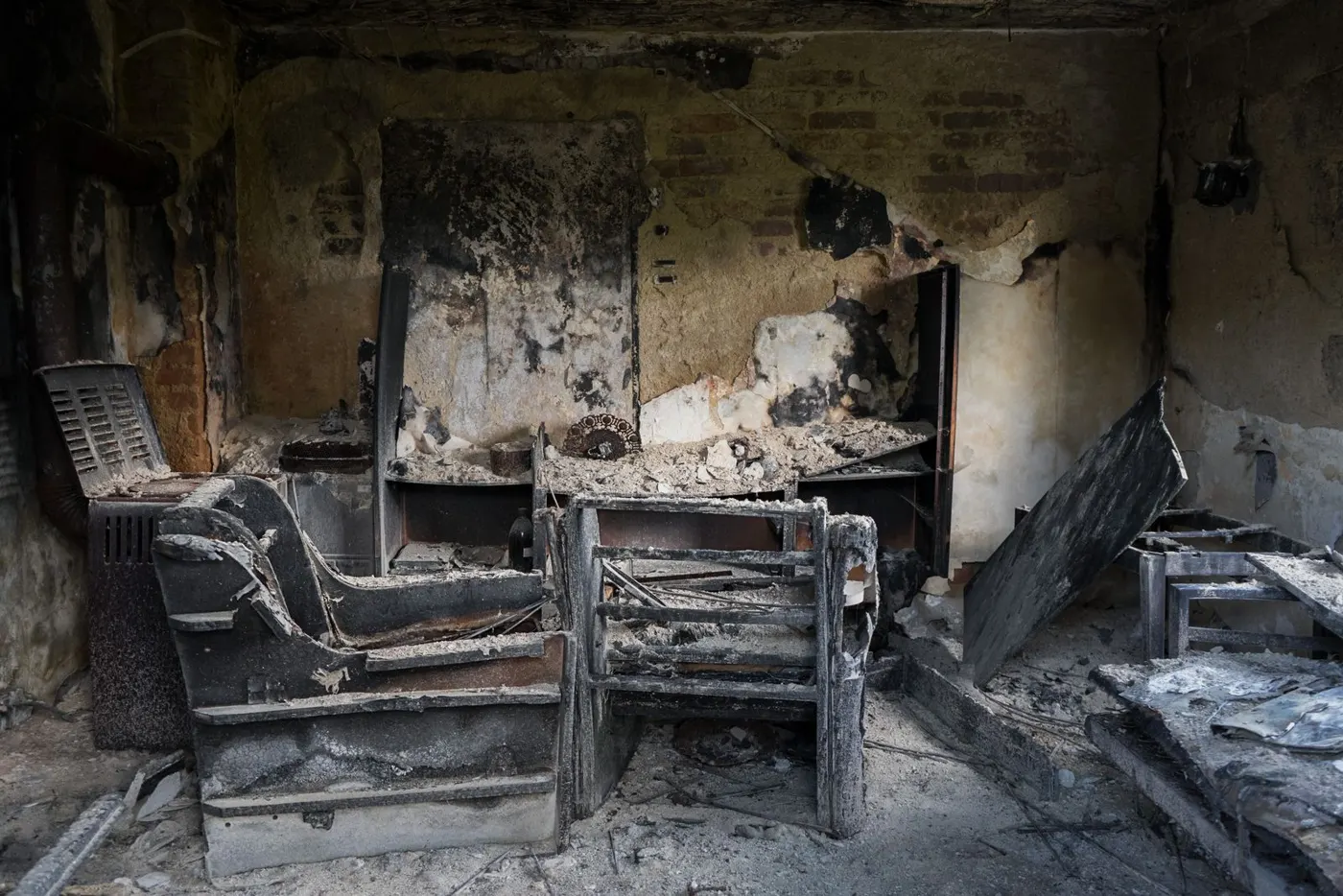
Most fires leave three kinds of damage: direct damage from flames and heat, soot and smoke residue that spreads well beyond the burned area, and water damage from firefighting.
Each needs its own approach. Treating only the visible burn damage often leaves odor, residue and moisture problems behind.
Why Soot Spreads So Far
Smoke travels with heated air, moving through hallways, attics, wall cavities and HVAC ducts. Soot settles on walls, ceilings, cabinets and belongings in rooms the fire never reached.
Soot can be acidic, and over time it can stain or etch surfaces. Cleaning sooner usually means more materials can be saved.
Assessment and Property Stabilization
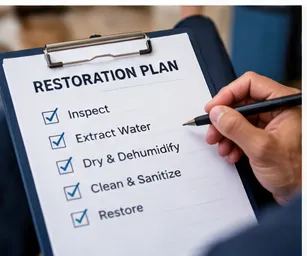
Restoration begins with an assessment of structural damage, residue spread, odor and moisture. That assessment becomes the plan for cleanup and the documentation for your insurance claim.
If windows, walls or the roof were opened by the fire or by firefighters, board-up and tarping help protect the property from rain and further loss. Storm season in Garland makes this step especially important.
Cleaning Soot and Smoke Residue
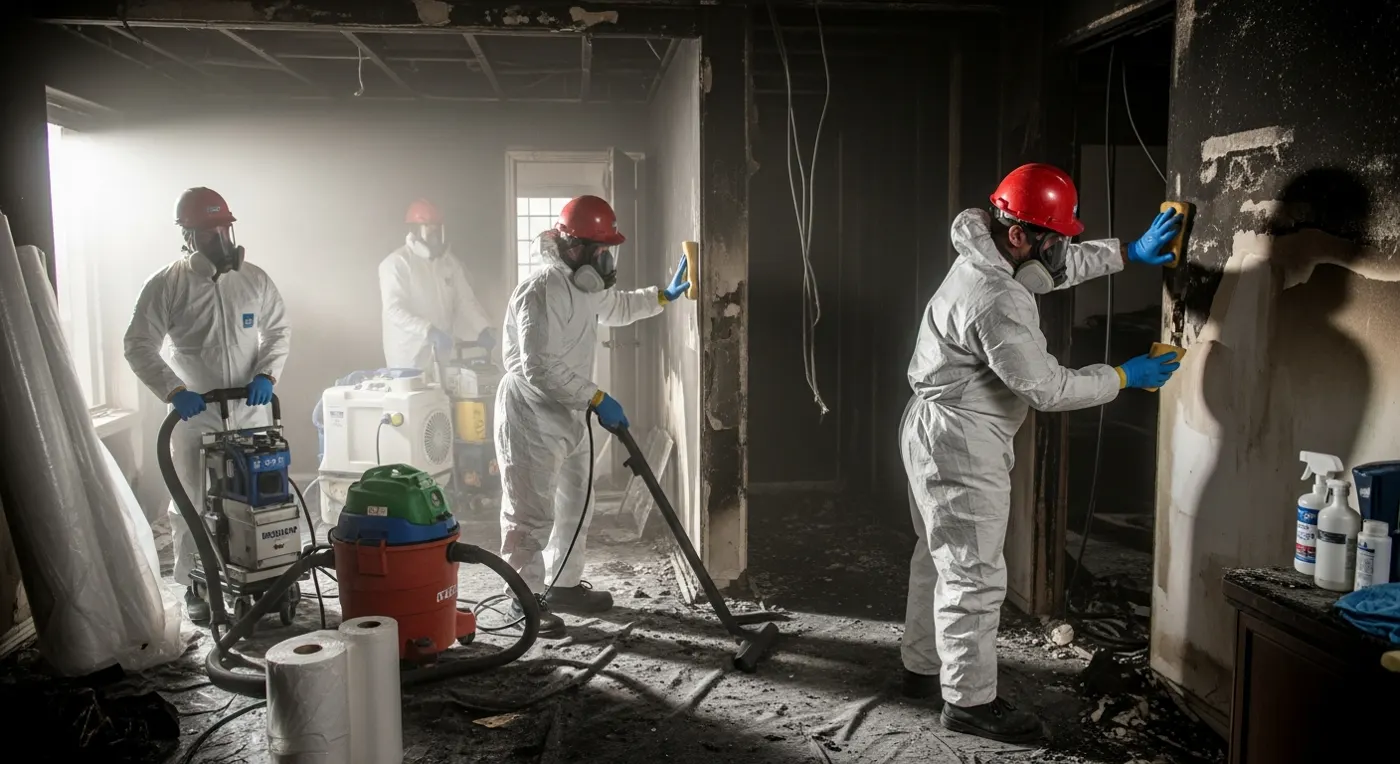
Different residues and surfaces need different cleaning methods. Dry soot, oily residue, painted walls, wood cabinets and fabrics are all handled differently.
Materials too damaged to clean, such as charred drywall or insulation, are removed. The goal is to remove residue rather than cover it up.
Treating Smoke Odor
Smoke odor clings to porous materials and air pathways. Removing the source materials and deep cleaning surfaces comes first, followed by professional deodorization.
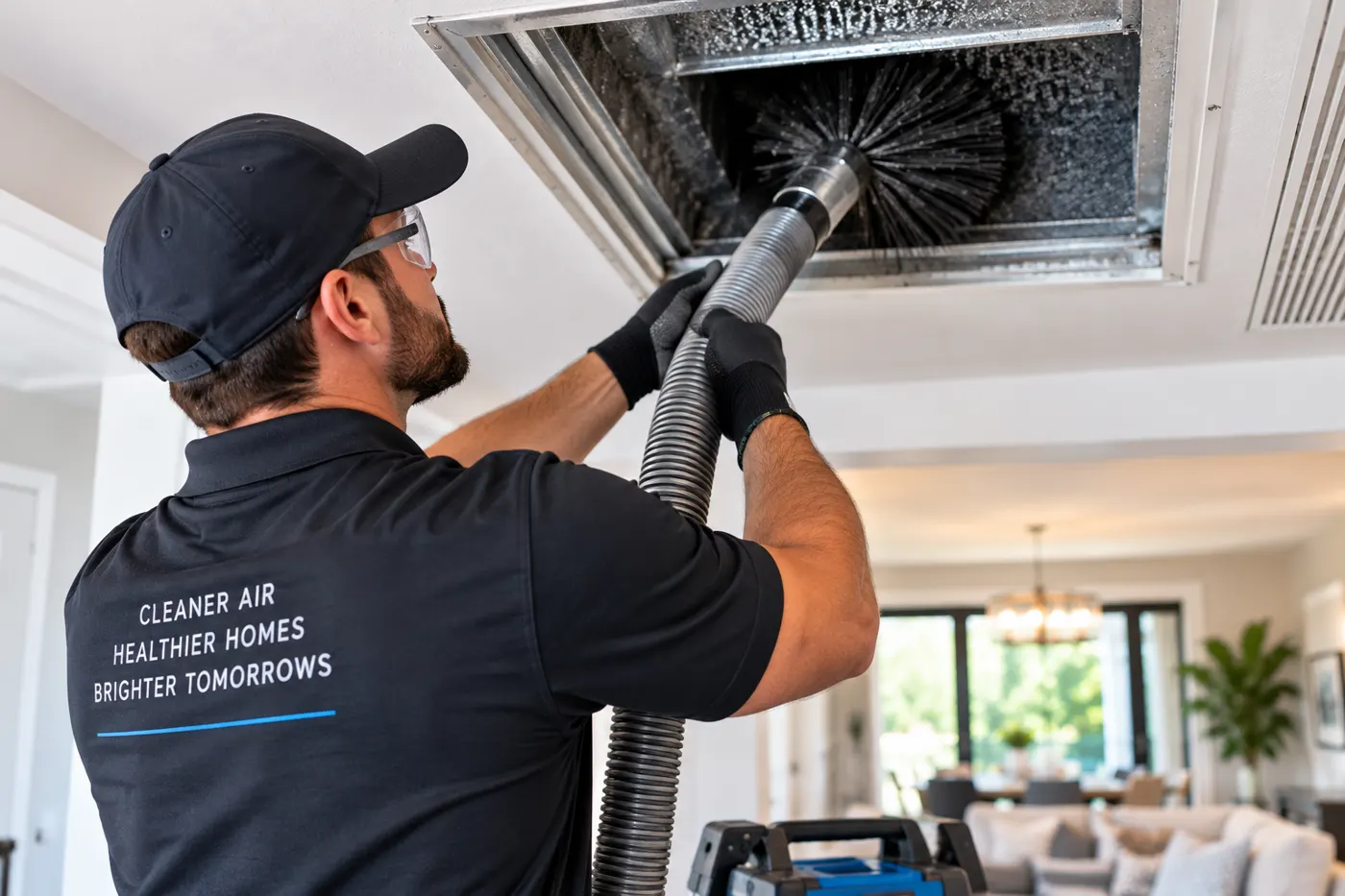
HVAC systems can carry odor and residue throughout a building. In some cases, air duct cleaning is part of getting the odor out for good.
Water Damage From Firefighting
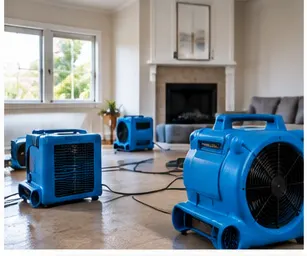
Fire hoses and sprinklers can leave large amounts of water in floors, walls and contents. That water needs extraction and structural drying just like a plumbing leak.
Left wet, those materials can develop mold. The same moisture detection and drying used in water damage restoration in Garland is applied after a fire.
What to Avoid After a Fire
Don't wipe soot-covered walls or upholstery, since that can smear residue deeper. Avoid using electrical appliances or HVAC systems that may have been affected until they're checked.
Only enter the property once the fire department says it's safe. Take photos of damage, and call our 24/7 emergency restoration team in Garland to begin stabilizing the property.
Kitchen Fires and Small Fires
Cooking fires are among the most common household fires. Even when a fire stays on the stovetop, grease-laden smoke can coat cabinets, ceilings and nearby rooms.
Small fires often look manageable, but residue and odor can travel farther than expected. An assessment shows how far smoke spread and which surfaces need cleaning.
Contents Cleaning and Protection
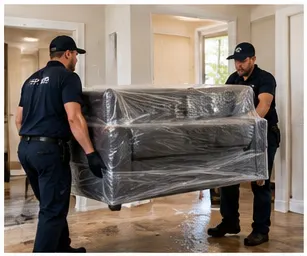
Furniture, clothing, electronics, documents and personal items can all be affected by soot and smoke. Some items are cleaned on site, while others may be moved to protect them during structural cleanup.
An inventory of affected contents helps with insurance claims and makes it easier to decide what can be cleaned and what may need replacing.
Working With Property Owners Throughout
ARS keeps property owners informed about what's being cleaned, removed and dried, and documents the damage and work to support insurance claims.
Businesses can learn about commercial property restoration in Garland. You can also read about fire and smoke damage restoration across Dallas and North Texas or view all Garland restoration services.