Water Damage Restoration Guide for Garland, TX Property Owners
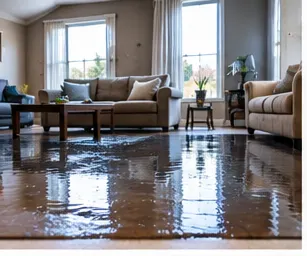
Water damage in Garland can start with a slow leak under a sink or a sudden flood from a summer storm. Either way, what happens in the first hours shapes how much of your property can be saved.
What Causes Water Damage in Garland Homes and Businesses
Many Garland neighborhoods were built between the 1960s and 1980s, and aging supply lines, water heaters and drain pipes are common sources of water losses. Newer homes have their own risks, including failed washing machine hoses, ice-maker lines and dishwasher connections.
Weather plays a role too. Heavy spring rain, hail-damaged roofs and occasional hard freezes can all send water into a structure. When storms are involved, our storm damage restoration in Garland covers tarping and board-up along with water removal.
Why Extraction Alone Doesn't Solve the Problem
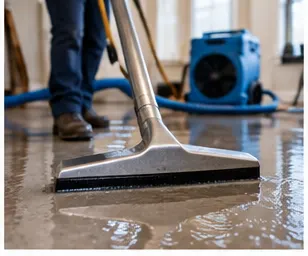
A wet-dry vacuum or towels can remove water you can see, but water travels. It wicks up drywall, soaks into carpet padding, seeps under laminate and hardwood, and settles into subfloors and wall cavities.
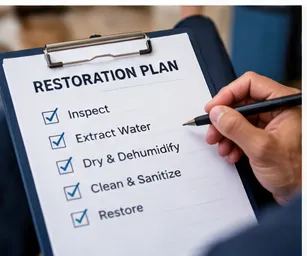
If that hidden moisture stays behind, materials can swell, warp, delaminate or develop a musty smell. Professional water damage restoration treats extraction as the first step in a larger drying process, not the whole job.
How Moisture Detection Works
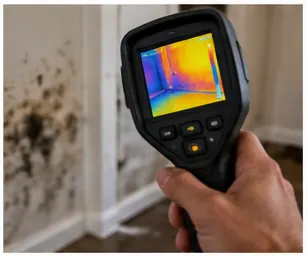
Technicians use moisture meters to take readings in walls, floors and ceilings, and thermal imaging cameras to spot temperature differences that often point to wet materials. Those readings are recorded on a moisture map of the affected rooms.
The map shows where drying equipment should go and gives a starting point to measure progress. It also helps explain to you and your insurance adjuster exactly how far the water spread.
What Structural Drying Involves
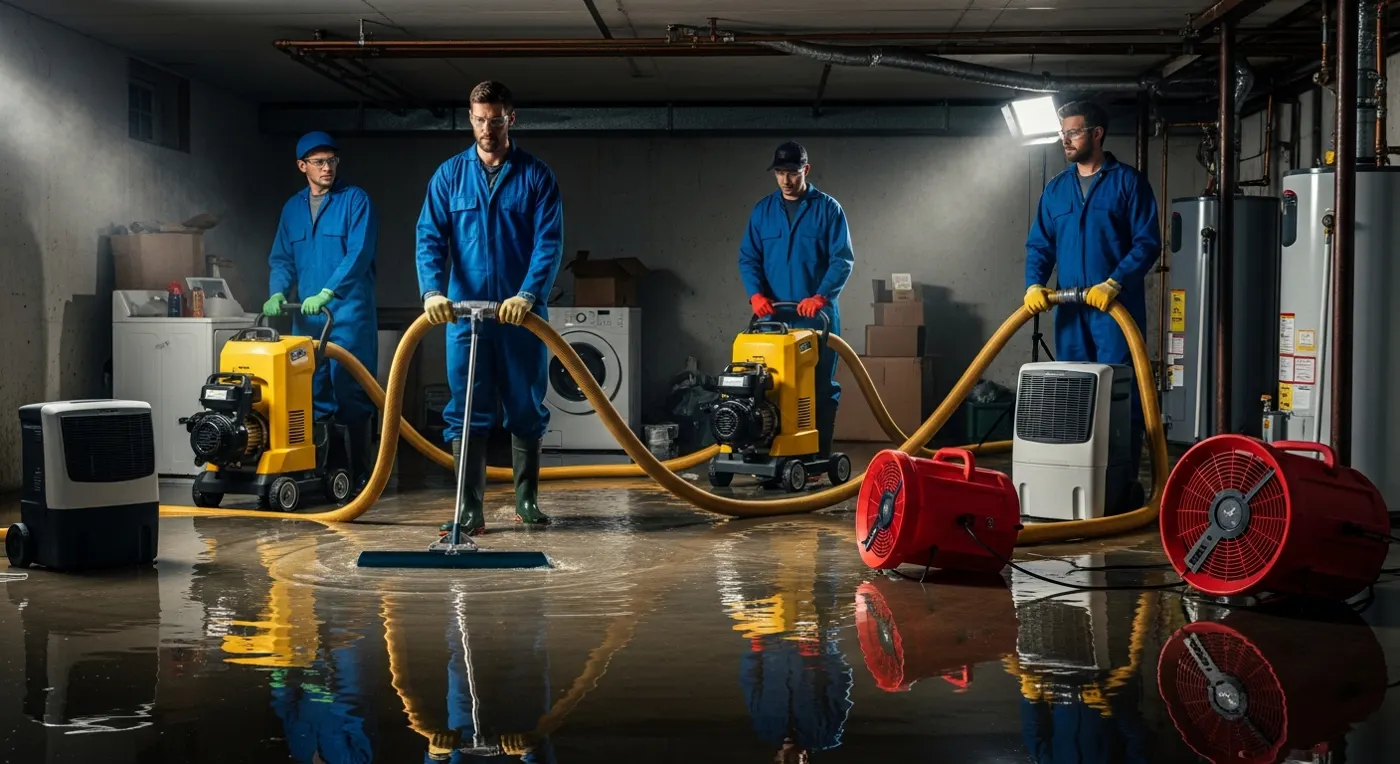
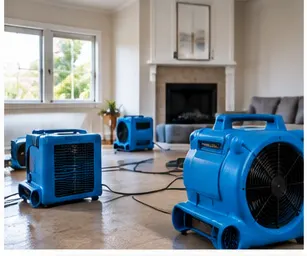
Structural drying uses air movers to move air across wet surfaces and commercial dehumidifiers to pull that moisture out of the air. Equipment placement is planned around the moisture map so every wet area gets attention.
Readings are taken during each visit until materials return to normal levels. Some materials can be dried in place; others, like heavily saturated padding or damaged drywall, may need to be removed so the structure behind them can dry.
Clean Water, Gray Water and Flood Water
Not all water is the same. A broken supply line usually starts as clean water, while dishwasher or washing machine overflows can carry soaps and residue. Flood water entering from outside, or sewage backups, can carry contaminants.
The type of water affects which materials can be saved and what cleaning is needed. Contaminated losses usually require removal of porous materials and thorough cleaning before drying.
How Fast Response Helps Prevent Mold
Mold can begin to develop when materials stay wet for 24 to 48 hours, and North Texas humidity doesn't help. Fast extraction and drying is one of the best ways to keep a water loss from becoming a mold problem.
If water sat for a while before it was discovered, or you already notice a musty smell, our mold remediation in Garland focuses on finding the moisture source and removing affected materials.
Steps to Take Before Help Arrives
Shut off the water supply if you can do so safely, and stay away from wet areas near outlets or electrical panels. Move furniture, rugs and valuables out of the water when it's safe to do so.
Take photos and video of the damage before cleanup begins. For an active leak or flooding, call our 24/7 emergency restoration team in Garland right away.
Hidden Leaks Inside Walls and Slabs
Not every water loss announces itself. Slab leaks, pinhole leaks in copper lines and drips from upstairs bathrooms can soak materials for weeks before anyone notices. Warm spots on the floor, rising water bills, buckling flooring and stains that keep growing are all clues worth checking.
Once a hidden leak is found and repaired, the affected area is mapped with moisture readings so drying can reach the wet materials behind finished surfaces. Small inspection holes are sometimes used to let air reach wall cavities without removing whole sections of drywall.
Water Damage at Garland Businesses
Offices, retail stores, warehouses and apartment buildings face the same water risks, often over much larger areas. Business owners also need to think about downtime, tenants and customers.
ARS plans commercial property restoration in Garland around your operations. You can also learn more about our water and flood restoration across Dallas and North Texas or see all of our Garland restoration services.