
Mold Remediation Guide for Garland, TX Homes and Businesses
Mold is almost always a moisture problem first. Understanding where it comes from and how remediation works helps Garland property owners make good decisions when they find growth.
Why Mold Grows After Water Damage
Mold spores are present nearly everywhere. They only become a problem when they land on a damp surface with something to feed on, such as drywall paper, wood framing, carpet backing or dust.
That's why mold so often follows plumbing leaks, roof leaks and floods that weren't fully dried. If a recent leak is still wet, water damage restoration in Garland should come first to stop the moisture.
Common Moisture Sources in Garland Properties
Slow leaks behind walls, under sinks and around toilets can go unnoticed for weeks. Roof leaks from hail or wind damage often show up as ceiling stains or damp attic insulation.
HVAC systems can also contribute through clogged condensate lines or sweating ductwork, especially during long, humid North Texas summers. Bathrooms and laundry rooms without good ventilation are other frequent trouble spots.
Signs You May Have a Mold Problem
A persistent musty smell is one of the most common signs, even when no growth is visible. Discolored spots on walls or ceilings, peeling paint, warped baseboards and soft drywall are others.
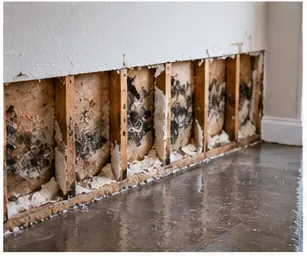
If you've had a leak or flood in the past and notice any of these signs, there may be hidden growth inside a wall cavity or under flooring. An inspection with moisture readings can confirm what's going on.
Identifying the Moisture Source
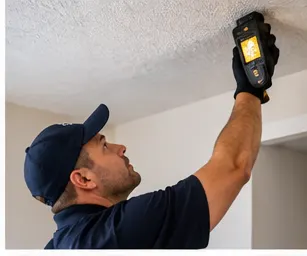
Remediation starts with finding where the water is coming from. Technicians use visual inspection, moisture meters and thermal imaging to trace damp areas back to a leak, roof issue or HVAC problem.
Without correcting that source, mold is likely to return. The source may need a plumber, roofer or HVAC technician to repair before remediation can be completed.
Evaluating Affected Areas
Once the source is known, the extent of growth and moisture is evaluated. That includes visible areas as well as behind walls, under cabinets and in ceilings.
This evaluation shapes the remediation plan, including which materials need to be removed, whether containment is needed and how the area will be dried afterward.
Containment, Removal and Cleaning
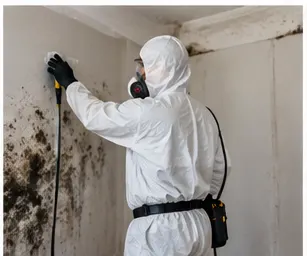
Disturbing mold can release spores. Where appropriate, plastic barriers and negative air pressure with HEPA filtration help keep spores inside the work area and away from clean rooms.
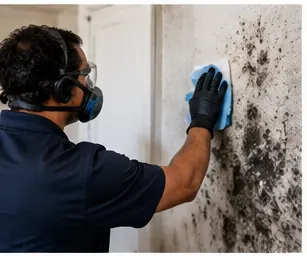
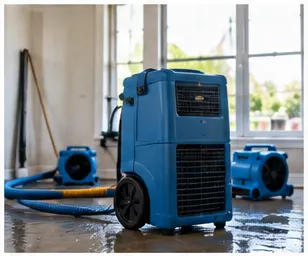
Porous materials with growth, such as drywall and insulation, are typically removed and bagged. Remaining surfaces are HEPA vacuumed and cleaned, and the structure is dried before repairs begin.
Preventing Mold From Coming Back
Long-term success depends on keeping materials dry. Fixing leaks promptly, maintaining HVAC drain lines, using bathroom fans and keeping indoor humidity in check all help.
After a storm, check ceilings and attics for signs of water. Our storm damage restoration in Garland can address roof-related leaks before they lead to growth.
Mold and Indoor Air Concerns
Mold growth can release spores and odors into the air. Many people notice the smell first, especially when the HVAC system turns on or after a room has been closed up for a while.
Containment and HEPA air filtration during remediation help keep spores from spreading through the building. After removal and cleaning, keeping humidity under control helps protect indoor air going forward.
Can Belongings Be Saved After Mold?
Hard, non-porous items like glass, metal and sealed plastics can often be cleaned. Porous items such as mattresses, upholstered furniture, carpet and cardboard are harder to clean once growth has set in.
Each item is evaluated based on the material, how long it was exposed to moisture and how much growth is present. Important documents and keepsakes may be worth discussing individually before anything is discarded.
What to Expect During a Mold Remediation Project
Most projects follow the same order: inspection and moisture source identification, a remediation plan, setup of containment, removal of affected materials, cleaning, drying and a final check that materials are dry.
Timelines depend on how much area is affected and whether the moisture source needs repair by another trade first. You'll get an explanation of the plan before work begins, so you know which rooms will be affected.
Mold in Commercial Buildings
Offices, retail spaces and multifamily properties need remediation that limits disruption to occupants. Containment and scheduling help keep unaffected areas in use.
Learn more about commercial property restoration in Garland, our mold remediation across Dallas and North Texas, or all Garland restoration services.