
Understanding Mold in Mesquite Homes and Buildings
Mold is a moisture problem first. This guide explains why it develops in North Texas properties, what to watch for and what a professional remediation process looks like.
Why North Texas Properties Are Prone to Mold
Mesquite summers bring heat and humidity, and air-conditioned homes create cool surfaces where condensation can form. Attics, closets on exterior walls and areas around AC air handlers are common trouble spots.
Clay soil around many foundations shifts with wet and dry cycles, which can open small gaps around plumbing and slabs that let moisture in over time.
Moisture Is the Real Cause
Mold spores exist almost everywhere indoors and outdoors. They only become a problem when they land on a damp surface and stay wet long enough to grow, often within a day or two.
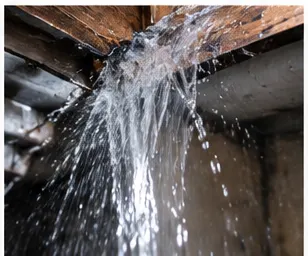
That's why mold commonly appears after a water leak that was mopped up but never fully dried. If you've had a recent leak, read our Mesquite water damage restoration guide.
Hidden Mold Locations
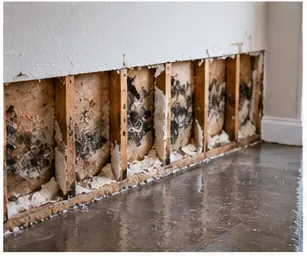
Behind drywall near bathrooms and kitchens, under sinks, beneath vinyl flooring and inside HVAC components are frequent hiding places.
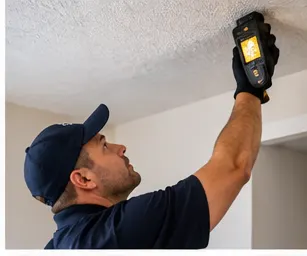
Ceilings below roof leaks are another, especially after hail or wind storms. If a storm caused the leak, see storm damage restoration in Mesquite.
What You Should Avoid Doing
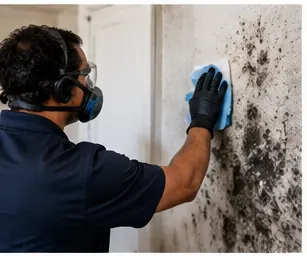
Avoid scrubbing or dry-brushing large mold areas, which can send spores into the air. Don't run fans directly on growth, and avoid painting over stains.
Painting may hide discoloration briefly, but the growth and moisture remain beneath it and usually return.
How Containment Protects the Rest of the Property
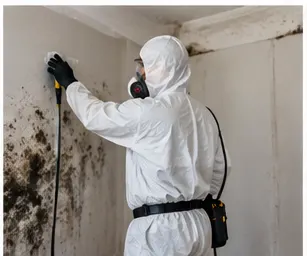
During remediation, plastic sheeting and negative air pressure keep disturbed spores within the work area. HEPA filtration captures airborne particles.
This step matters most in occupied homes and businesses where people continue using nearby rooms.
Porous vs. Non-Porous Materials
Hard surfaces like metal, glass and sealed framing can often be cleaned. Porous materials like drywall, insulation and carpet pad hold growth in their fibers and are usually removed.
Wood framing is typically cleaned and dried rather than replaced unless it's structurally compromised.
Mold After Fire Suppression
Water used to put out a fire can soak framing and insulation. If drying doesn't happen promptly, mold can follow smoke damage.
Our fire and smoke damage restoration in Mesquite includes attention to water left behind by firefighting.
Mold in Commercial and Multifamily Properties
Apartment complexes, offices and restaurants in Mesquite can develop mold from roof leaks, HVAC condensation or tenant-side plumbing failures.
Property managers can learn more about commercial restoration in Mesquite for larger or multi-unit projects.
Preventing Mold Going Forward
Keep indoor humidity in a moderate range, run bathroom fans during and after showers, and check under sinks and around water heaters periodically.
Address any leak quickly and dry it fully. Fast response to water is the single most effective mold prevention step.
Mold and Indoor Air in Mesquite Homes
Many homeowners first notice mold by smell rather than sight. A musty odor that is strongest when the HVAC system starts up can point to moisture in ductwork, the air handler or a nearby wall cavity.
Tracking where the odor is strongest, and when, gives technicians a useful starting point for inspection.
Get a Mold Assessment in Mesquite
ARS also provides restoration services throughout Mesquite and other North Texas cities listed on our service areas page.
To schedule an assessment, contact ARS or call 972-287-5856.